
Stevens-Johnson syndrome (SJS) and toxic epidermal necrolysis (TEN) are often linked to medications, but identifying the drug responsible can be complicated. If a patient is taking multiple medications when symptoms develop, the most recently prescribed drug isn’t necessarily the one that caused the reaction.
In an SJS case, attorneys may need to reconstruct the patient’s medication history well before hospitalization. When each drug was started, stopped, restarted, or changed can be relevant, along with when the first symptoms appeared and what physicians documented as the reaction progressed.
At Childers, Schlueter & Smith (CSS), identifying the likely culprit drug is an important part of evaluating an SJS case. It can help determine what happened, whose conduct needs closer review, and what type of legal claim may be involved.
Start With the Drugs, Dates, and First Symptoms
SJS cases can involve a complicated medication history, especially when several drugs were taken in the weeks before symptoms developed. Reconstructing that history means looking beyond the medications listed at the time of hospitalization.
The review may include prescription drugs, over-the-counter medications, and other products the patient was taking. When each was started or stopped matters, as do recent dose changes or restarting a previously taken medication. Those dates can then be compared with the onset of fever, eye irritation, mouth sores, skin pain, rash, or other early symptoms.
Records don’t always tell the full story in one place. A hospital medication list may reflect what the patient was taking at admission without capturing everything taken in the preceding weeks. Pharmacy and prescribing records, earlier medical visits, emergency department notes, medication reconciliation, and patient portal messages can help fill in the chronology.
When reviewing a case, our Stevens-Johnson syndrome attorneys may look well beyond the final hospital diagnosis. What happened in the days and weeks leading up to the diagnosis can be critical to evaluating which medication was the likely cause.
When More Than One Medication Could Have Caused SJS
A medication’s known association with SJS is relevant, but it doesn’t establish that the drug caused a particular patient’s reaction.
Consider a patient who has taken one medication for several years, started another three weeks earlier, and received an antibiotic shortly before symptoms appeared. Each medication may need to be considered rather than assuming the newest prescription—or the drug most commonly associated with SJS—was responsible.
One method used to assess drug causation is the Algorithm of Drug Causality for Epidermal Necrolysis (ALDEN). Developed specifically for SJS and TEN, ALDEN considers factors such as the timing of drug exposure, whether the medication was likely still present in the body when the reaction began, previous exposure, the drug’s known association with SJS/TEN, and whether another cause is more likely.
ALDEN can help organize the causation analysis, but it does not conclusively identify the responsible drug. A 2025 review of SJS/TEN causality noted limitations in existing assessment methods and found that accurately identifying the cause in an individual patient remains challenging.
Drug Causation and Medical Malpractice Are Different Questions
Identifying the medication most likely responsible for SJS can help determine the next step in the legal review. It may focus attention on who prescribed or dispensed the drug, what information was available at the time, and how healthcare providers responded once symptoms began.
But proving that a particular drug caused SJS is different from showing that a medical error contributed to the patient’s injuries. Some serious drug reactions occur despite appropriate prescribing and medical care.
In other cases, the records may raise additional questions. Was the medication prescribed despite a documented allergy or previous reaction? Was the dosage appropriate? Did the patient report early symptoms that were not recognized as a possible serious drug reaction? Was the suspected medication continued or given again after concerning symptoms developed?
Identifying the culprit drug can also help distinguish between different types of potential claims. Issues may involve prescribing or monitoring, a pharmacy error, delayed recognition of a serious drug reaction, or questions about the medication and its warnings.
None of those circumstances establishes negligence on its own. The medical history, drug exposure, and care the patient received must be evaluated together to determine whether there are potential SJS medical malpractice issues.
Get Help Evaluating a Stevens-Johnson Syndrome Case
SJS cases can involve medicine, pharmacology, and law. Evaluating a potential claim may require comparing the medication history with medical literature, reviewing records from multiple healthcare providers and pharmacies, and working with qualified medical experts to address causation and the care the patient received.
Childers, Schlueter & Smith has represented people and families affected by Stevens-Johnson syndrome and toxic epidermal necrolysis and has litigated cases involving serious drug reactions. That experience can be especially important when several medications are involved, the cause of the reaction is disputed, or questions arise about how healthcare providers responded as symptoms developed.
If you or a family member developed Stevens-Johnson syndrome after taking a medication, contact Childers, Schlueter & Smith or call 404-419-9500 for a free, confidential consultation. CSS represents clients in Georgia and handles serious drug injury cases nationwide.
Other Stevens-Johnson Syndrome Lawyers News

Stevens-Johnson syndrome and toxic epidermal necrolysis are rare but life-threatening reactions often linked to medications. Learn how SJS and TEN differ, common warning signs, long-term complications, and when medical malpractice may be involved.
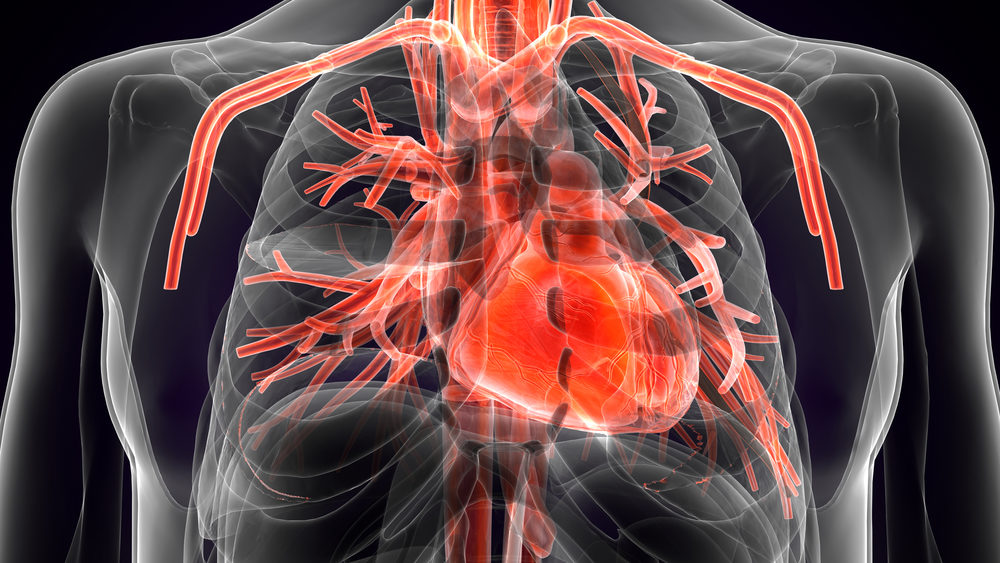
A study has found that survivors of Stevens-Johnson syndrome (SJS) have a higher risk of cardiovascular problems, specifically cerebrovascular accidents and ischemic heart disease, compared to the general population.

Medical negligence may contribute to Stevens-Johnson Syndrome (SJS) or Toxic Epidermal Necrolysis (TEN). Learn how drug errors, misdiagnosis, or lack of warnings could support a legal claim.

Lamictal has been linked to Stevens-Johnson Syndrome (SJS), a life-threatening skin reaction. Learn how improper prescribing or dosing may lead to serious injuries and legal action.
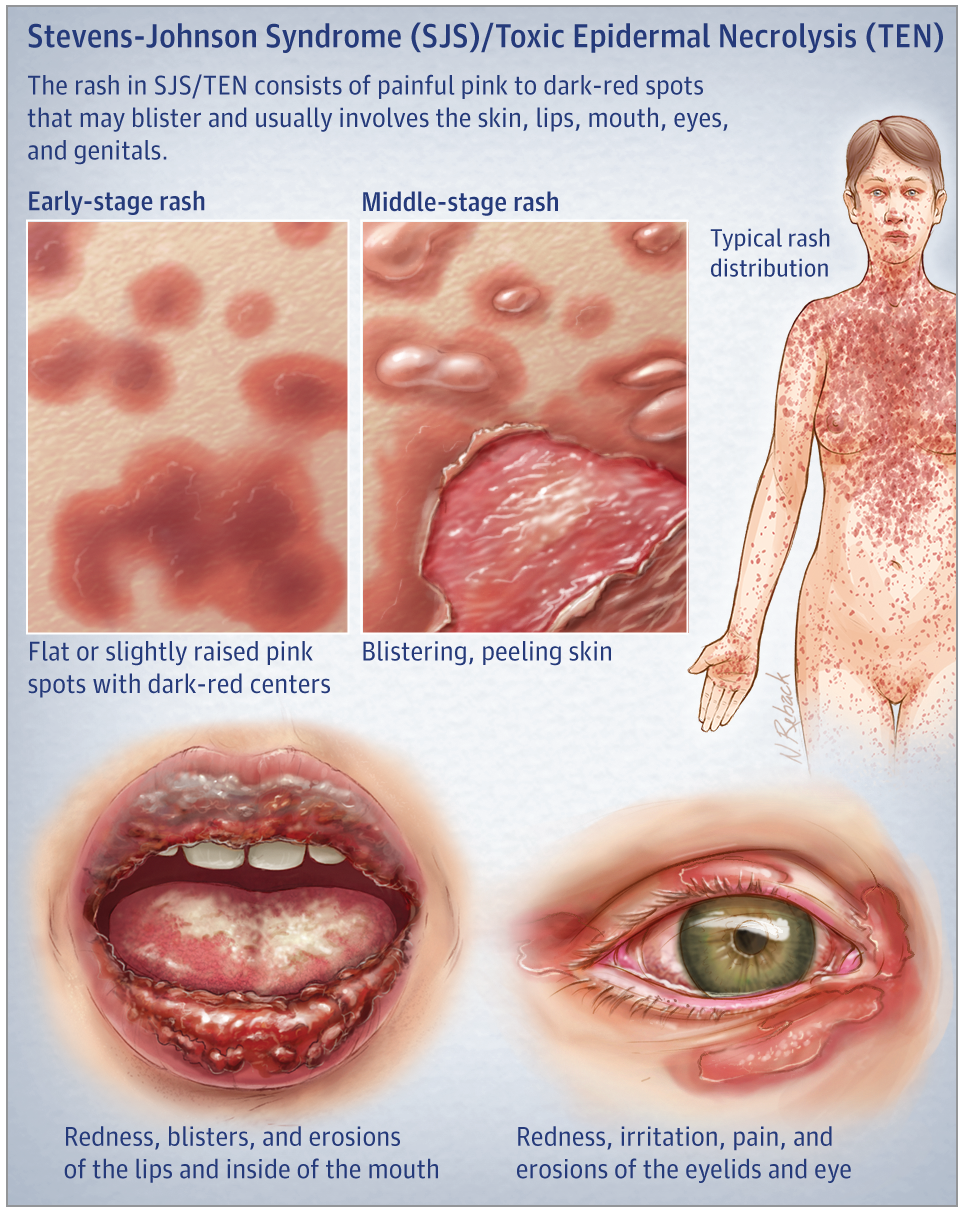
If you've been diagnosed with Stevens-Johnson Syndrome or Toxic Epidermal Necrolysis, it’s critical to act quickly and consult an experienced attorney to protect your legal rights and potential claim.
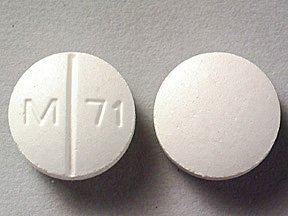
Allopurinol, a common gout medication, has been linked to Stevens-Johnson Syndrome—a rare but serious skin reaction that may require hospitalization and lead to long-term complications.
