
Most people have never heard of Stevens-Johnson syndrome (SJS) or toxic epidermal necrolysis (TEN) until they or someone they love experiences one of these severe reactions firsthand. Both conditions are rare, but when they occur, they can become medical emergencies within a matter of days.
SJS and TEN can damage the skin, eyes, mouth, and internal organs, and because they lie along the same disease spectrum, the terms are sometimes used interchangeably. However, there are important differences between them, particularly in severity and long-term complications.
Understanding how SJS and TEN differ may help patients recognize early warning signs and seek treatment before the condition becomes life-threatening.
How SJS Can Progress Into Toxic Epidermal Necrolysis
Doctors consider Stevens-Johnson syndrome and toxic epidermal necrolysis to be part of the same disease spectrum rather than completely separate conditions. Both involve an immune reaction that causes the skin to blister, peel, and detach from the body, often after exposure to a medication.
In many cases, the earliest symptoms don’t immediately appear serious. Patients may mistake fever, fatigue, sore throat, body aches, or burning eyes for a common illness. As the reaction progresses, however, a painful red or purple rash can begin to spread rapidly across the body.
Blistering and skin tenderness often follow. The outer layer of skin may start to die and separate from the body, while mucous membranes in the eyes, mouth, throat, and genitals become inflamed and painful. Everyday activities such as eating, drinking, swallowing, or even blinking can become extremely difficult.
The main difference between SJS and TEN is the extent of skin loss. SJS typically affects less than 10% of the body’s surface area, while TEN involves more than 30%. Cases that fall in between are often classified as SJS/TEN overlap syndrome.
Although that distinction may sound minor, it can dramatically affect a patient’s prognosis. As larger areas of skin are affected, the risk of serious health consequences increases. Patients with TEN often require intensive care or treatment in specialized burn units because the condition can resemble severe second-degree burns.
Without prompt treatment, patients may experience dehydration, infection, sepsis, respiratory problems, and organ failure. Because SJS and TEN can worsen quickly, early medical intervention is critical.
Medications Are One of the Most Common Triggers
Researchers estimate that SJS and TEN affect roughly one to three people per million each year in the U.S., yet more than 80% of cases are believed to be linked to adverse drug reactions.
The medications most commonly linked to SJS and TEN reactions include sulfonamide antibiotics, anti-seizure medications, gout medications such as allopurinol, and certain NSAID pain relievers.
For some patients, symptoms may begin within days of starting a new medication. Others may not develop symptoms until several weeks later. Since the earliest warning signs often resemble illnesses like the flu, diagnosis is sometimes delayed until the skin reaction becomes more advanced.
Infections can also trigger Stevens-Johnson syndrome or TEN, particularly in children. However, medications causing SJS reactions continue to account for the majority of adult cases.
Researchers are also continuing to study why certain individuals appear more vulnerable to developing SJS or TEN after taking medications that most people tolerate without complications. In some populations, genetic factors may increase susceptibility to serious drug reactions.
The life-threatening consequences of SJS and TEN make it vital for healthcare providers to recognize early symptoms and carefully evaluate medication-related risks when patients develop unexplained rashes or flu-like symptoms after starting a new prescription
Complications from SJS and TEN Can Last for Years
Surviving Stevens-Johnson syndrome or toxic epidermal necrolysis is often only the beginning of a long and difficult recovery. Even after the initial medical crisis passes, many patients continue to experience lasting physical and emotional complications that can affect nearly every aspect of daily life.
One of the most common lasting issues involves the eyes. Damage to the surface of the eyes can lead to chronic dry eye, light sensitivity, scarring, pain, and, in some cases, permanent vision loss. Some survivors require ongoing ophthalmologic care for years after the reaction.
Other patients continue to struggle with respiratory complications caused by damage to the airways and lungs. Chronic coughing, breathing difficulties, and reduced lung function may persist long after the skin has healed. Skin-related complications are also common and can include scarring, pigmentation changes, chronic pain, nail loss, and heightened skin sensitivity.
Researchers have also found that survivors of SJS and TEN may face an increased risk of cardiovascular issues. Some studies suggest that the extreme inflammatory response associated with SJS and TEN may contribute to a higher likelihood of heart disease, stroke, and other cardiovascular problems later in life. While researchers continue to study the connection, these findings highlight how the physical effects of SJS and TEN may extend far beyond the initial hospitalization.
The emotional and psychological toll can be equally significant. Many survivors describe lengthy recoveries involving repeated medical appointments, rehabilitation, anxiety, depression, or trauma related to the experience. For some families, the financial strain from ongoing treatment and time away from work can add another layer of hardship.
Because SJS and TEN can affect multiple organ systems, many survivors require medical monitoring and specialized care well after leaving the hospital. For patients and families alike, the impact can continue for months, years, or even a lifetime.
When SJS or TEN May Raise Questions About Medical Negligence
Not every case of Stevens-Johnson syndrome or toxic epidermal necrolysis is the result of medical malpractice. However, because the conditions can escalate so quickly and cause significant injuries, questions sometimes arise about whether healthcare providers recognized warning signs early enough or properly evaluated medication risks.
Our firm has seen SJS patients whose early symptoms were dismissed as a minor illness or allergic reaction despite clear signs of a developing drug reaction. Other situations we’ve seen involved prescribing medications despite known allergy risks, failing to review a patient’s medical history, or not adequately monitoring patients after prescribing high-risk drugs associated with SJS and TEN.

Prompt recognition is critical because delaying treatment, even for a short period, may significantly worsen skin detachment, and patients face a greater risk of infection, organ failure, permanent disability, and death.
For many survivors, the physical, emotional, and financial consequences require ongoing medical care that may include hospitalization, reconstructive treatment, vision care, respiratory therapy, rehabilitation, mental health counseling, and specialist visits. Some individuals are unable to return to work or continue living independently after cases of SJS or TEN.
When negligence or medical malpractice causes SJS, families may pursue legal claims to seek compensation for losses, including medical expenses, lost income, future care needs, pain and suffering, and other damages related to the long-term impacts.
Every case is different, so patients and families can benefit from speaking with an experienced SJS attorney at Childers, Schlueter & Smith (CSS) to better understand their legal options.
How Childers, Schlueter & Smith Can Help SJS and TEN Survivors
A diagnosis of Stevens-Johnson syndrome or toxic epidermal necrolysis can leave families facing overwhelming medical, emotional, and financial challenges. Recovery may involve extended hospitalization, rehabilitation, vision treatment, respiratory care, and years of follow-up with specialists.
When questions arise about whether a dangerous medication, delayed diagnosis, or other medical negligence contributed to the outcome, families often want answers about what went wrong and whether the injuries could have been prevented.
CSS represents individuals and families nationwide in complex SJS medical malpractice lawsuits. Our firm helps clients pursue compensation for medical expenses, lost income, future treatment needs, pain and suffering, and other losses tied to these devastating injuries. If you or someone you love developed SJS or TEN after taking a medication, contact us online, use the live chat feature, or call 1-800-641-0098 for a free consultation.
Other Stevens-Johnson Syndrome Lawyers News

Identifying the drug responsible for Stevens-Johnson syndrome can be difficult when several medications are involved. Medical records, prescription histories, and the timing of symptoms can play an important role in determining whether someone has a potential SJS lawsuit.
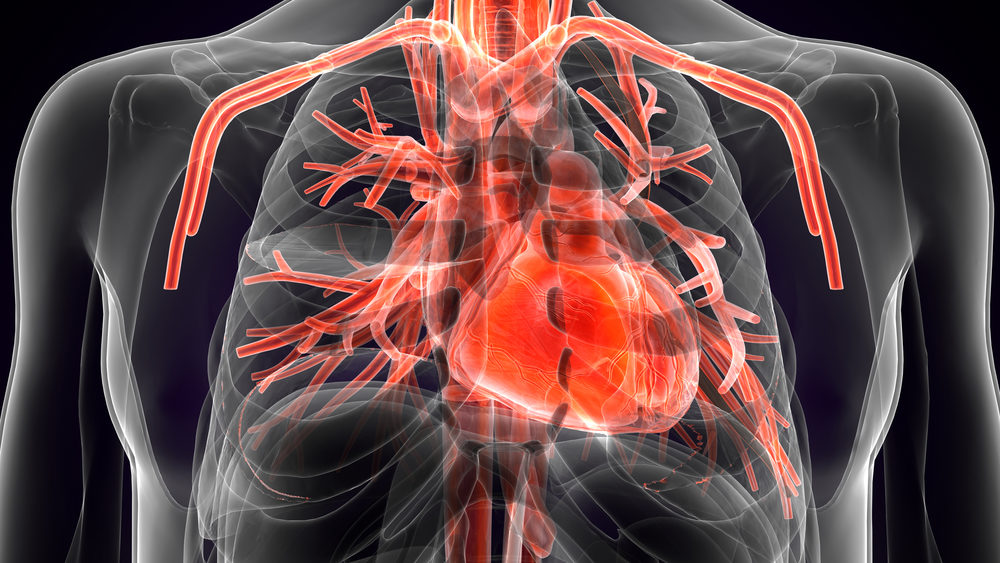
A study has found that survivors of Stevens-Johnson syndrome (SJS) have a higher risk of cardiovascular problems, specifically cerebrovascular accidents and ischemic heart disease, compared to the general population.

Medical negligence may contribute to Stevens-Johnson Syndrome (SJS) or Toxic Epidermal Necrolysis (TEN). Learn how drug errors, misdiagnosis, or lack of warnings could support a legal claim.

Lamictal has been linked to Stevens-Johnson Syndrome (SJS), a life-threatening skin reaction. Learn how improper prescribing or dosing may lead to serious injuries and legal action.
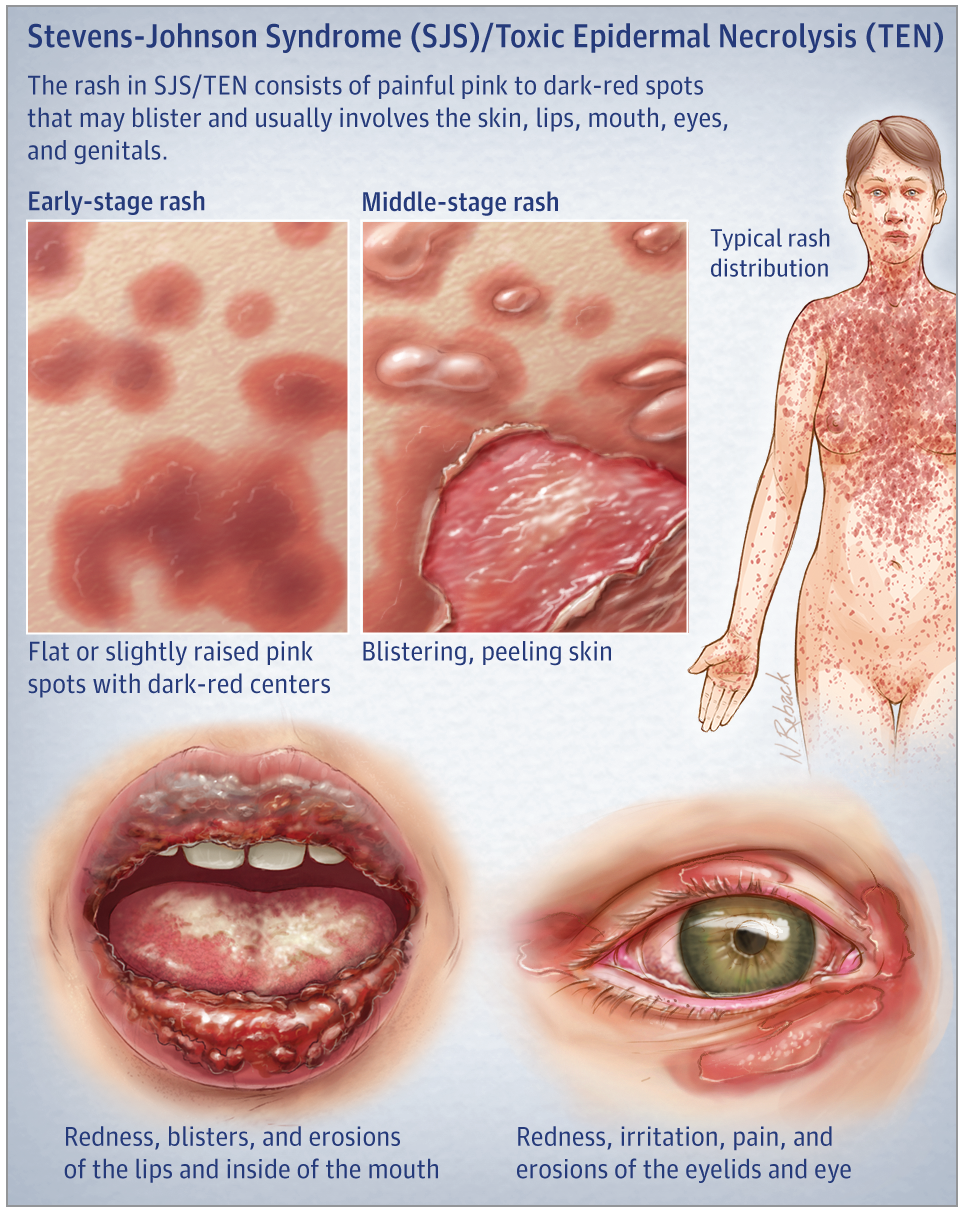
If you've been diagnosed with Stevens-Johnson Syndrome or Toxic Epidermal Necrolysis, it’s critical to act quickly and consult an experienced attorney to protect your legal rights and potential claim.
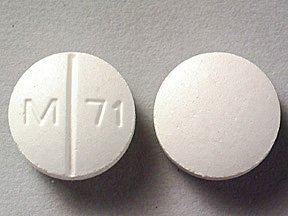
Allopurinol, a common gout medication, has been linked to Stevens-Johnson Syndrome—a rare but serious skin reaction that may require hospitalization and lead to long-term complications.
