
Representing countertop workers and families in Georgia and nationwide
Workers who cut, grind, polish, and install quartz, engineered stone, and other silica-containing countertops may face serious health risks from breathing silica dust. For some, years of exposure to this dust have led to silicosis, an incurable lung disease that can cause permanent disability and, in severe cases, death.
A silicosis diagnosis can leave workers unable to return to their jobs, facing mounting medical expenses, and uncertain about how they will support their families. It can also raise questions about whether the companies that manufactured or supplied the countertop materials should be held responsible.
Childers, Schlueter & Smith (CSS) is evaluating silicosis lawsuits involving engineered stone, quartz countertops, and other silica-containing materials. Our attorneys represent people harmed by dangerous products and have experience handling complex product liability and mass tort litigation.
If you or a loved one developed silicosis after working with countertop materials, our firm can review your circumstances and explain your potential legal options.
Call 1-800-641-0098 for a free consultation or contact Childers, Schlueter & Smith.
Silica Exposure Risks for Countertop Workers
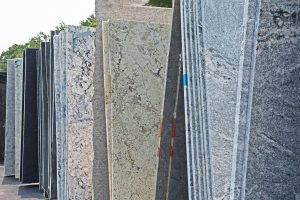 Engineered stone countertops have become popular in homes and businesses because of their appearance, durability, and variety of finishes. However, the materials used to manufacture some of these countertops can present significant hazards to the workers who cut and shape them.
Engineered stone, often sold as quartz, can contain more than 90% crystalline silica. When workers cut, grind, drill, or polish these slabs, they can release microscopic silica dust particles into the air. Without effective dust controls, workers may inhale particles that travel deep into their lungs.
The National Institute for Occupational Safety and Health (NIOSH) warns that some engineered stone products contain up to 95% crystalline silica, making exposure prevention particularly important.
Silica exposure is not limited to engineered stone. Granite, quartzite, and other natural stone products may also release hazardous dust during fabrication or installation.
In February 2026, the Occupational Safety and Health Administration (OSHA) and NIOSH issued an updated hazard alert for countertop workers, emphasizing the risks associated with manufacturing, finishing, and installing natural and engineered stone countertops.
These risks can affect workers in fabrication shops, installation crews, and others who regularly work around airborne stone dust.
What Is Silicosis?
Silicosis is a serious occupational lung disease caused by inhaling respirable crystalline silica. Over time, these particles can trigger inflammation and permanent scarring of lung tissue, making breathing increasingly difficult.
No known cure exists for silicosis. Although treatment may help manage symptoms and complications, the disease can continue to progress even after exposure ends.
Common symptoms include:
- Shortness of breath, particularly during physical activity
- Persistent coughing
- Fatigue and reduced stamina
- Chest discomfort or pain
Some countertop workers develop accelerated silicosis following intense exposure over a relatively short period. Severe cases may involve progressive massive fibrosis, an advanced form of the disease that can significantly impair lung function.

As the disease advances, workers may develop respiratory failure, require supplemental oxygen, or need evaluation for a lung transplant. In the most serious cases, silicosis can be fatal.
Breathing crystalline silica dust is also associated with lung cancer, which may warrant medical evaluation and consideration of potential legal claims depending on the worker’s history.
Diagnosing silicosis generally involves reviewing a patient’s work history, medical imaging, and other clinical findings. Workers who develop respiratory symptoms after cutting, grinding, or installing silica-containing countertops should tell their healthcare provider what materials they worked with.
Who Can File a Countertop Silica Exposure Lawsuit?
Workers diagnosed with silicosis or another serious silica-related lung disease may have grounds to pursue legal action, depending on their exposure history, the products involved, and applicable law.
Potential claims may involve people who spent years cutting or polishing quartz countertops, workers who drilled or shaped stone slabs, installers who modified countertops at job sites, or employees who regularly cleaned fabrication areas.
Workers who developed severe disease after relatively short periods of high exposure may also warrant evaluation.
You don’t need to know the manufacturer of every countertop you handled to request a case review. Information about your employers, job duties, materials, and work locations can provide a starting point for an investigation.
Families who lost a loved one to suspected silica-related disease may also have potential wrongful death or related claims.
Who Can Be Held Responsible for Silica Exposure?
Countertop silica lawsuits can involve more than the employer where the exposure occurred. Manufacturers, importers, distributors, and suppliers of silica-containing stone products may face legal claims alleging that their products were unreasonably dangerous or that they failed to provide adequate warnings about known health risks.
Some lawsuits have raised questions about product design, the adequacy of safety information, and whether companies appropriately communicated the risks associated with cutting and finishing their materials.
Establishing liability requires more than showing that a worker developed silicosis. A successful claim generally requires evidence linking the injury to specific products or responsible parties.
Can You Sue if You Received Workers’ Compensation?
Receiving workers’ compensation benefits doesn’t necessarily prevent a worker from pursuing a separate injury lawsuit against a responsible third party.
In Georgia, workers’ compensation generally limits lawsuits against covered employers for work-related injuries and occupational diseases. However, certain claims against separate product manufacturers or other third parties may still be available.
These claims involve different legal requirements, and workers’ compensation benefits may affect how you pursue recovery.
An attorney can review your options and explain how a workers’ comp claim may affect a potential silica exposure lawsuit.
What CSS Attorneys Look for in a Silicosis Case
Silicosis lawsuits can be complex because exposure often occurs over several years, involves multiple products, and requires detailed medical and occupational evidence.
At Childers, Schlueter & Smith, our attorneys approach these cases by examining both the medical injury and the circumstances surrounding the worker’s exposure.
Understanding the diagnosis and its impact. Medical records, imaging, pulmonary evaluations, and treatment histories can help establish the nature and severity of the lung disease. Our attorneys may consult qualified medical experts to evaluate how the diagnosis relates to the worker’s exposure history.
Reconstructing workplace exposure. We examine where the worker was employed, the materials handled, the tasks performed, and the conditions under which the work took place. Fabrication methods, dust controls, and exposure duration may all be relevant.
Identifying products and responsible companies. Invoices, supplier records, product labels, photographs, and other business documents may help identify the manufacturers and distributors of the stone products involved.
Evaluating warnings and product safety information. We consider what safety information accompanied the products, what risks were known or reasonably knowable at the relevant time, and whether the evidence supports a claim.
Documenting the worker’s losses. A serious silicosis diagnosis may affect a person’s ability to work, obtain medical care, and maintain financial stability. Understanding those consequences is an important part of evaluating potential compensation.
CSS brings experience handling complex personal injury, dangerous product, and mass tort claims to these investigations. Our attorneys understand the importance of developing medical evidence, examining corporate conduct, and identifying potentially responsible parties.
Learn more about CSS’s experience representing people injured by dangerous and defective products.
Compensation for Workers Diagnosed With Silicosis
Silicosis can create substantial financial and personal hardships, particularly when the disease prevents someone from continuing to work. Recoverable damages may include medical expenses, future treatment costs, lost wages, reduced earning capacity, pain and suffering, disability, and loss of enjoyment of life.
In cases involving a worker’s death, eligible surviving family members or an estate may be able to pursue wrongful death or related damages.
There is no standard settlement amount for a countertop silica exposure lawsuit. The severity of the illness, available evidence, and responsible parties can affect a claim’s potential value and outcome.
Deadlines for Filing a Silicosis Lawsuit
The time available to file a silicosis lawsuit depends on several factors, including where the worker was exposed, when the disease was diagnosed, and the laws that apply.
Because silicosis can develop years after exposure begins, determining the applicable filing deadline may involve questions about when the disease was discovered and when its connection to workplace exposure became known.
Georgia also has specific medical-evidence requirements for certain silica-related claims. An attorney can evaluate these requirements alongside the applicable filing deadlines.
Speaking with an attorney soon after a silicosis diagnosis can help you understand applicable deadlines, evaluate your legal options, and preserve potentially important evidence.
Preparing for a Silicosis Case Review
You don’t need to gather every employment or medical record before speaking with CSS. A useful starting point is a description of your work history, including the fabrication shops or companies where you worked, the approximate dates of employment, and the types of countertops you handled.
Medical records confirming your diagnosis, photos of products or workplaces, supplier information, and records of any workers’ compensation claim may also help.
If you no longer have access to workplace records or can’t remember every product name, you can still contact our firm. Part of evaluating a potential claim involves determining what additional information may be available.
Get Help From a Silicosis Attorney at CSS
If you or someone in your family has been diagnosed with silicosis after working with quartz, engineered stone, or other countertop materials, understanding your legal options is an important first step.
Childers, Schlueter & Smith represents individuals and families harmed by dangerous products and serious injuries. Our attorneys can review your medical diagnosis, work history, and potential exposure to determine whether further investigation is warranted.
We offer free, no-obligation consultations and handle accepted cases on a contingency fee basis. You don’t owe an attorney’s fee unless we recover for you. The representation agreement explains fees and case expenses.
Call 1-800-641-0098 or contact CSS online to request a free silicosis case review.
This page provides general information and is not medical or legal advice. Contacting the firm doesn’t establish an attorney-client relationship. Every potential claim requires an individual evaluation.
Frequently Asked Questions About Silicosis Lawsuits
Possibly. Workers who developed silicosis after cutting, grinding, polishing, or installing quartz countertops may have potential product liability claims. Eligibility depends on the diagnosis, exposure history, products involved, and applicable law.
Yes. High levels of respirable crystalline silica exposure can cause accelerated silicosis, which may develop faster than traditional chronic silicosis. The time between exposure and diagnosis varies, and a medical professional must evaluate the individual condition.
Exposure to multiple brands doesn’t prevent a lawsuit. Identifying the products involved may require examining employment histories, supplier records, photos, and other evidence. An attorney can evaluate whether the available information supports claims against particular companies.
Depending on the circumstances, eligible family members or an estate may have a wrongful death or related claim. An attorney can review the medical history, evidence of exposure, and applicable filing deadlines.
Yes. Childers, Schlueter & Smith evaluates potential countertop silica exposure claims from workers and families across the U.S. Cases outside Georgia may involve working with attorneys licensed in the appropriate jurisdiction.
