
Lamictal (lamotrigine) is a prescription medication used to treat epilepsy and bipolar disorder. Although effective for many patients, it carries an FDA boxed warning about serious skin reactions, including Stevens-Johnson Syndrome (SJS) and toxic epidermal necrolysis (TEN).
Increasing Lamictal doses too quickly raises the risk of these life-threatening reactions. The medication must generally be introduced gradually, following a dosing schedule that accounts for the patient’s medical history and other medications.
Why Increasing Lamictal Too Quickly Can Be Dangerous
Lamictal is generally started at a low dose and increased gradually over several weeks. This process, known as titration, helps reduce the risk of serious skin reactions.
The FDA prescribing information warns that starting at too high a dose or increasing the medication faster than recommended may increase the risk of severe rashes, including SJS and TEN.
For some adults, treatment begins with 25 milligrams daily for the first two weeks. However, dosing schedules vary depending on the patient’s condition and other medications. Patients taking valproate (Depakote), for example, generally require a lower starting dose and slower increases because the medication can raise lamotrigine levels in the body.
Serious skin reactions most often occur within the first four days to four weeks of treatment, although they can develop earlier or later under certain circumstances.
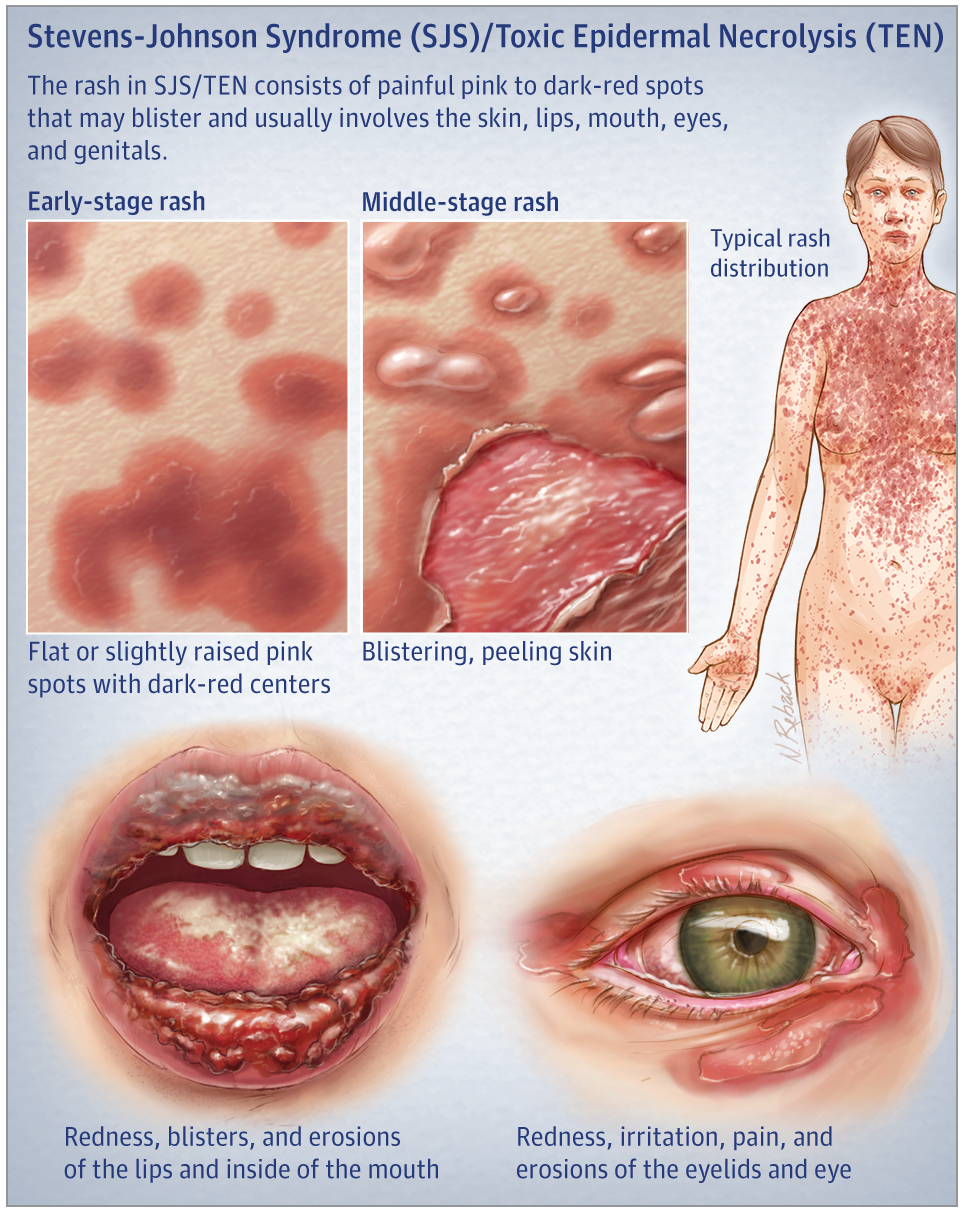
Signs of SJS/TEN may include fever, malaise, flu-like symptoms, painful skin, a spreading rash, blisters, and sores in the mouth or eyes. These symptoms require immediate medical attention.
The FDA prescribing information recommends that Lamictal ordinarily be discontinued at the first sign of a rash unless the rash is clearly unrelated to the medication. Anyone who develops a rash while taking Lamictal should seek immediate medical advice, as even an initially mild rash can become serious and life threatening.
2024 Medical Report Highlights Risks of Rapid Lamictal Dosing
A 2024 article published in the Journal of Psychiatric Practice examined a medical malpractice case involving a 13-year-old boy who developed life-threatening SJS/TEN after his lamotrigine dosage was increased faster than recommended.
The boy was hospitalized for psychiatric treatment when his physician prescribed lamotrigine. According to the study, the physician increased the medication more quickly than recommended with the intent of improving the patient’s symptoms faster.
By the third week of treatment, the boy was receiving 100 milligrams of lamotrigine daily, even though the recommended dose at that point was 50 milligrams.
After approximately three weeks, he developed a severe rash. Although the medication was discontinued, his condition rapidly worsened. The reaction affected approximately 90% of his skin, as well as his eyes and respiratory tract. He required intensive care, treatment in a burn unit, and several months of hospitalization.
The medical records also revealed concerns about patient monitoring. There was little documentation of skin examinations, and nursing staff reportedly lacked specific instructions or training to watch for lamotrigine-related rashes.
The study’s authors concluded that the accelerated dosing represented a deviation from the standard of care and directly contributed to the severity of the boy’s injuries. The underlying medical malpractice case ultimately settled.
When Can a Lamictal Dosing Error Be Medical Malpractice?
Developing SJS or TEN after taking Lamictal doesn’t mean a healthcare provider necessarily committed malpractice. These reactions can occur even when the medication is prescribed correctly, although the risk of that occurring is substantially low. However, a patient may have grounds for a medical malpractice claim if a healthcare provider failed to meet the applicable standard of care and that failure caused the patient’s injuries.
Potential examples include:
- Increasing Lamictal too quickly: Raising the dose faster than recommended without appropriate medical justification.
- Prescribing an inappropriate starting dose: Not following dosing recommendations based on the patient’s circumstances.
- Overlooking drug interactions: Not accounting for medications such as valproate that can increase the risk of serious reactions.
- Failing to counsel: Not properly counseling the patient regarding the risks of the medication, including serious skin reactions.
- Failing to recognize warning signs: Not properly evaluating or responding to symptoms that could indicate SJS or TEN.
A prescribing error alone doesn’t establish medical malpractice. Determining whether negligence occurred often requires a detailed review of medical records, treatment decisions, and expert medical opinions.
What CSS Attorneys Look for in Lamictal-Related SJS Cases
At Childers, Schlueter & Smith, our attorneys have substantial experience evaluating SJS and TEN claims involving medication errors and potentially negligent medical care. When investigating a possible Lamictal-related injury, our legal team examines several important questions:
- What dose was prescribed, and how quickly was it increased?
- Did the healthcare provider consider the patient’s medical history and other medications?
- When did the first symptoms appear, and how did medical providers respond?
- Do prescription records and medical notes show that appropriate precautions were taken?
- Can medical experts determine whether a prescribing or monitoring error contributed to the injuries?
Medical records and medication timelines are especially important because they help establish what happened before the reaction developed and whether the patient’s treatment followed appropriate guidelines.
“Stevens-Johnson Syndrome can occur even when a medication is prescribed correctly. But when a doctor starts a drug like Lamictal at too high of a dose or increases that dose too quickly, we have to assess whether the patient was exposed to an unnecessary risk,” says Ashley Spires of Childers, Schlueter & Smith. “These cases are not just about identifying what caused the reaction. They’re about determining whether following established dosing guidelines and prescribing standards of care could have prevented a devastating injury.”
Legal Help After a Lamictal-Related SJS Injury
If you or a family member developed Stevens-Johnson Syndrome or Toxic Epidermal Necrolysis after starting Lamictal or increasing its dosage, you may have questions about whether the injury could have been prevented.
Our attorneys can review your medical history, investigate potential prescribing errors, and help determine whether you have grounds for a legal claim.
Learn more about pursuing an SJS lawsuit, or call 1-800-641-0098 or contact us online for a free consultation.
Other Stevens-Johnson Syndrome Lawyers News

Identifying the drug responsible for Stevens-Johnson syndrome can be difficult when several medications are involved. Medical records, prescription histories, and the timing of symptoms can play an important role in determining whether someone has a potential SJS lawsuit.

Stevens-Johnson syndrome and toxic epidermal necrolysis are rare but life-threatening reactions often linked to medications. Learn how SJS and TEN differ, common warning signs, long-term complications, and when medical malpractice may be involved.

A study has found that survivors of Stevens-Johnson syndrome (SJS) have a higher risk of cardiovascular problems, specifically cerebrovascular accidents and ischemic heart disease, compared to the general population.

Medical negligence may contribute to Stevens-Johnson Syndrome (SJS) or Toxic Epidermal Necrolysis (TEN). Learn how drug errors, misdiagnosis, or lack of warnings could support a legal claim.

Lamictal has been linked to Stevens-Johnson Syndrome (SJS), a life-threatening skin reaction. Learn how improper prescribing or dosing may lead to serious injuries and legal action.
If you've been diagnosed with Stevens-Johnson Syndrome or Toxic Epidermal Necrolysis, it’s critical to act quickly and consult an experienced attorney to protect your legal rights and potential claim.
