
Stevens-Johnson syndrome is almost always a serious reaction to a medication, and less often to an infection. A short list of drugs causes most cases, including allopurinol, several anti-seizure medicines, sulfa antibiotics, and some pain relievers. Symptoms usually start within days to weeks of a new drug. This life-threatening disease affects thousands of people each year.
What triggers Stevens-Johnson syndrome?
Medications trigger the large majority of Stevens-Johnson syndrome and toxic epidermal necrolysis (TEN) cases. Reliable medical literature attributes roughly 85% to 90% of cases to a drug reaction. Less often the cause is an infection, most commonly in children, and in a small share of cases no trigger is ever found. Because the reaction is unpredictable and can turn serious fast, any new drug paired with a spreading rash is worth flagging with a doctor right away. If a drug caused your SJS or TEN, the Stevens-Johnson syndrome attorneys at Childers, Schlueter & Smith can help you understand your options.
Which drugs are most likely to cause SJS?
More than 200 medications have been linked to Stevens-Johnson syndrome, but a short list is responsible for most cases. The highest-risk drugs fall into a few groups: anti-seizure medicines, the gout drug allopurinol, sulfa antibiotics, and certain pain relievers. For a closer look, see our page on what drugs are most likely to cause SJS.
Anti-seizure drugs (lamotrigine/Lamictal, carbamazepine, phenytoin)
Anti-seizure medications are among the most frequent drug triggers. They include lamotrigine (Lamictal), carbamazepine, and phenytoin. Dilantin, also known as phenytoin sodium and manufactured by Pfizer, is a widely used seizure medication associated with SJS. Many people react within a few days of starting an anti-seizure drug, but for others the reaction does not appear until several weeks later.
Allopurinol (gout)
Allopurinol, a common treatment for gout and high uric acid, is one of the single most-reported causes of SJS and TEN, and the risk is highest in the first weeks of use. We cover it in detail on our page about SJS linked to allopurinol use.
Sulfa antibiotics
Sulfonamide (“sulfa”) antibiotics, such as sulfamethoxazole-trimethoprim (Bactrim, Septra), are a well-documented trigger. A reaction can begin during a routine course of treatment for a common infection.
NSAID pain relievers
Several nonsteroidal anti-inflammatory drugs (NSAIDs) have been linked to SJS, including the oxicam class (for example, piroxicam and meloxicam) and common over-the-counter options like ibuprofen. The medications below have all been associated with Stevens-Johnson syndrome:
- Advil/Ibuprofen
- Ansaid/flurbiprofen
- Allopurinol
- Bextra/valdecoxib
- Cataflam/diclofenac
- Celebrex/celecoxib
- Children’s Advil/Motrin
- Clinoril/sulindac
- Daypro/oxaprozin
- Dilantin/phenytoin
- Cerebyx/fosphenytoin
- Dolobid/diflunisal
- Feldene/piroxicam
- Indocin/indomethacin
- Lamictal/lamotrigine
- Lodine/etodolac
- Nalfon/fenoprofen
- Mobic/meloxicam
- Motrin/ibuprofen
- Naprosyn/naproxen
- Oruvail/ketoprofen
- Ponstel/mefenamic acid
- Relafen/nabumetone
- Tolectin/tolmetin
- Septra DS / all sulfa antibiotics
- Toradol/ketorolac
- Vioxx/rofecoxib
- Zithromax/azithromycin
Can you get SJS from Tylenol (acetaminophen)?
It’s uncommon, but yes. Acetaminophen, the active ingredient in Tylenol, has been reported as a trigger for Stevens-Johnson syndrome and TEN in medical literature and in lawsuits. Most people take it safely. The risk is a rare, unpredictable immune reaction rather than a dose problem, and it can appear days to weeks after starting the drug. If a rash and blistering followed a dose of acetaminophen, treat it as you would any suspected SJS reaction and get medical help. Our overview of the drugs most likely to cause SJS has more.
What are the early warning signs of SJS?
SJS often starts like the flu. Many people run a fever and have a sore throat, burning eyes, and fatigue for a day or two before any rash appears. A painful red or purple rash then spreads and blisters, and the top layer of skin begins to peel. Sores in the mouth, eyes, or genitals are a red flag that needs emergency care.
Common symptoms of SJS include hives, blisters, shedding of the skin, swelling of the face, a red or purple skin rash, skin pain, headaches, and swelling of the tongue. SJS can cause serious pain and suffering and, in some cases, death.
If you have any of these symptoms and have taken an over-the-counter or prescription drug, it is crucial that you seek medical attention immediately. The sooner the reaction is diagnosed, the better your medical providers can address this dangerous disease. If you are not sure what to do next, read our guide on what to do if you have an SJS or TEN claim.
Is SJS the same as toxic epidermal necrolysis (TEN)?
They are the same disease on a scale of severity, measured by how much skin peels. Doctors call it Stevens-Johnson syndrome when it affects less than 10% of the body, toxic epidermal necrolysis (TEN) when it affects more than 30%, and SJS/TEN overlap in between. TEN is the most dangerous form and is usually treated in a burn unit or intensive care unit. Our page on the difference between SJS and TEN explains how doctors tell them apart.
What to do if a drug caused your SJS
If you or a loved one recently took an over-the-counter or prescription drug and developed Stevens-Johnson syndrome or toxic epidermal necrolysis, you may have a claim. The Stevens-Johnson syndrome lawyers at Childers, Schlueter & Smith help patients and families all over the country, and do so with unparalleled experience and results. If you want to understand the process first, see our guide on how to pursue a Stevens-Johnson syndrome lawsuit, or find out whether medical malpractice may have caused your SJS. You can also contact our lawyers directly to see how we can help protect your legal rights.
Please also contact us to receive a copy of The 10 Things Every SJS Patient Should Know and Do.
Frequently asked questions
What drugs are most likely to cause Stevens-Johnson syndrome?
A short list of medications causes most cases. The highest-risk drugs are the gout medication allopurinol, anti-seizure drugs like lamotrigine (Lamictal), carbamazepine, and phenytoin, sulfa antibiotics, and some NSAID pain relievers. More than 200 medications have been linked to SJS, so any new drug plus a spreading rash is worth flagging with a doctor right away.
Can you get SJS from Tylenol (acetaminophen)?
It’s uncommon, but yes. Acetaminophen, the active ingredient in Tylenol, has been reported as a trigger for Stevens-Johnson syndrome and TEN in medical literature and in lawsuits. Most people take it safely. The risk is a rare, unpredictable immune reaction, not a dose problem, and it can appear days to weeks after starting the drug.
What are the early warning signs of Stevens-Johnson syndrome?
SJS usually starts like the flu. Expect fever, sore throat, burning eyes, and fatigue for a day or two, often before any rash appears. Then a painful red or purple rash spreads and blisters, and the top layer of skin begins to peel. Sores in the mouth, eyes, or genitals are a red flag. Seek emergency care.
What is the difference between SJS and toxic epidermal necrolysis (TEN)?
They’re the same disease on a scale of severity, measured by how much skin peels. Doctors call it Stevens-Johnson syndrome when it affects less than 10% of the body, TEN when it’s more than 30%, and SJS/TEN overlap in between. TEN is the most dangerous and is usually treated in a burn or intensive care unit.
Can you fully recover from Stevens-Johnson syndrome?
Many people do recover, but it takes time. The skin usually heals over several weeks, though survivors can be left with lasting effects like dry or scarred eyes, vision problems, chronic pain, or damaged skin and nails. Recovery depends on how much of the body was affected and how quickly treatment started.
What are the long-term effects of SJS and TEN?
SJS and TEN can leave permanent damage even after the skin heals. The most common long-term effects involve the eyes, from severe dryness to vision loss, along with scarring, light sensitivity, lung problems, and emotional trauma. Regular follow-up with an eye specialist is often needed for life.
Other Stevens-Johnson Syndrome Lawyers News

Stevens-Johnson syndrome and toxic epidermal necrolysis are rare but life-threatening reactions often linked to medications. Learn how SJS and TEN differ, common warning signs, long-term complications, and when medical malpractice may be involved.
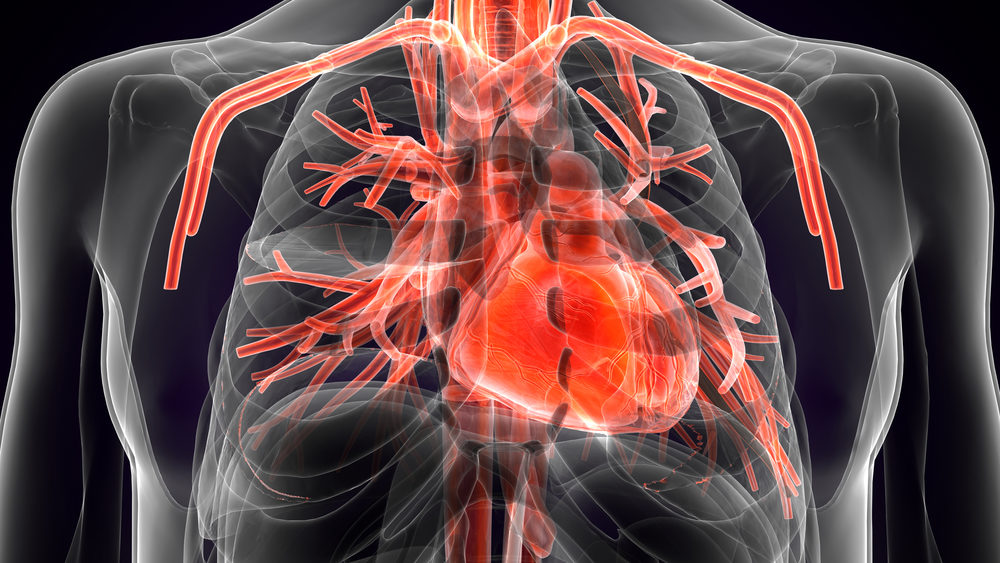
A study has found that survivors of Stevens-Johnson syndrome (SJS) have a higher risk of cardiovascular problems, specifically cerebrovascular accidents and ischemic heart disease, compared to the general population.

Medical negligence may contribute to Stevens-Johnson Syndrome (SJS) or Toxic Epidermal Necrolysis (TEN). Learn how drug errors, misdiagnosis, or lack of warnings could support a legal claim.

Lamictal has been linked to Stevens-Johnson Syndrome (SJS), a life-threatening skin reaction. Learn how improper prescribing or dosing may lead to serious injuries and legal action.
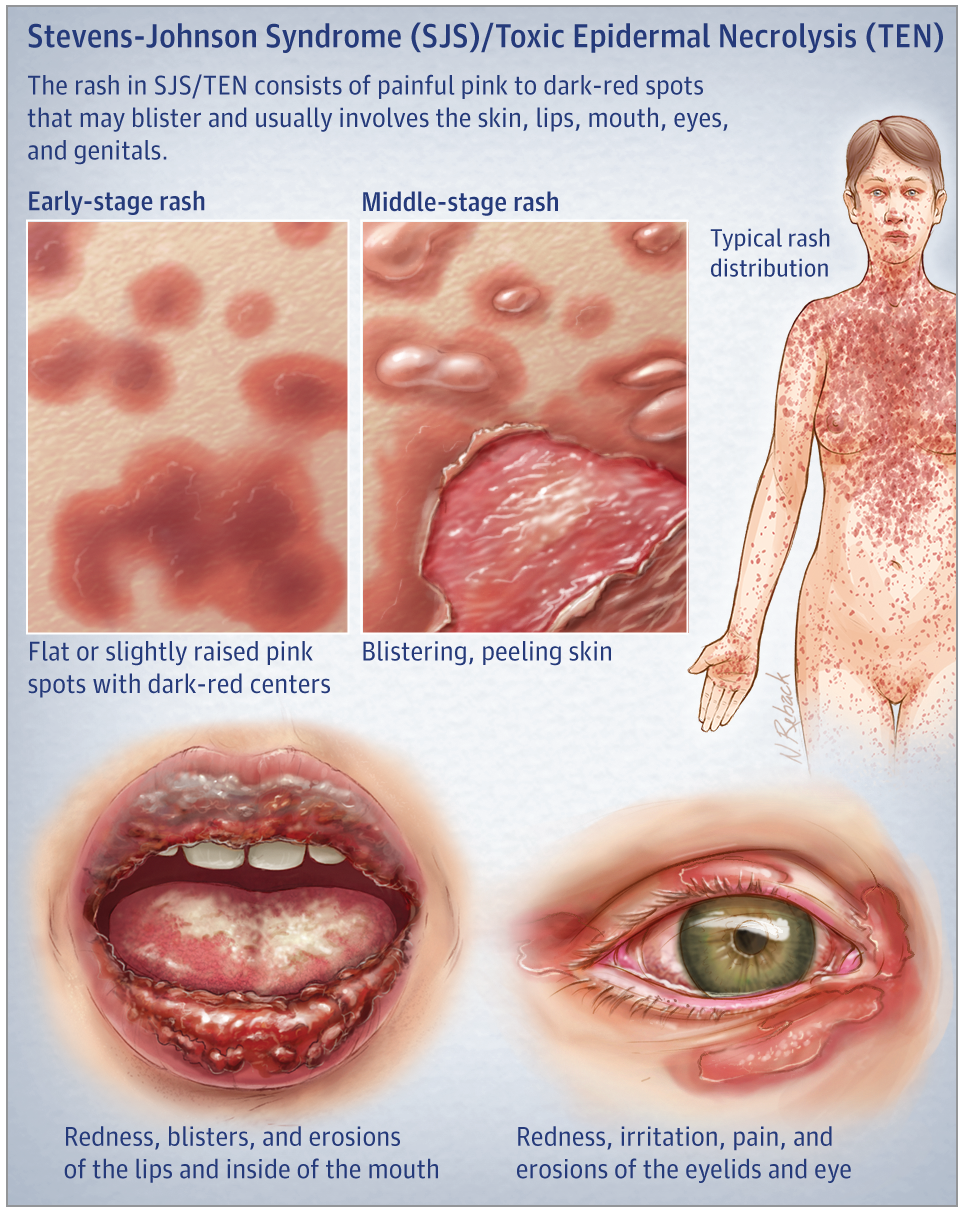
If you've been diagnosed with Stevens-Johnson Syndrome or Toxic Epidermal Necrolysis, it’s critical to act quickly and consult an experienced attorney to protect your legal rights and potential claim.
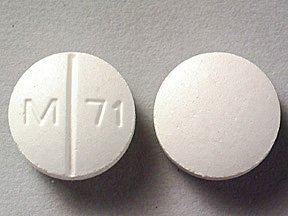
Allopurinol, a common gout medication, has been linked to Stevens-Johnson Syndrome—a rare but serious skin reaction that may require hospitalization and lead to long-term complications.
