

Manute Bol died on June 19, 2010, at age 47, at the University of Virginia Medical Center in Charlottesville, where he was being treated for kidney failure and a painful skin condition called Stevens-Johnson syndrome (SJS). The 7-foot-7 basketball player was known for his humanitarian work in Sudan, and he was a hero to many.
Mr. Bol never stopped that work, even as he battled the kidney problems that led to his SJS. He had just returned from several months in Sudan, where he helped build a school, when he was admitted for treatment. He had been expected home sooner, but he stayed on even as his health got worse.
What was Manute Bol's cause of death?
Manute Bol died of complications from kidney failure and Stevens-Johnson syndrome. It's believed he developed SJS as a reaction to a medication he was given for his kidney condition. SJS is a severe reaction that attacks the skin and mucous membranes, and it can be life-threatening once it takes hold, which is why he needed hospital care.
What is Stevens-Johnson syndrome?
Stevens-Johnson syndrome is a serious allergic reaction, most often to a medication, that causes the skin and mucous membranes to blister and peel. Sufferers usually start with flu-like symptoms, then develop a painful red or purplish rash that spreads across the body. The top layer of skin dies and falls away, leaving raw, painful blisters and, in severe cases, scarring. Airways can become restricted, and the eyes are often affected, which can lead to lasting vision damage without prompt care.
SJS and its most severe form, toxic epidermal necrolysis (TEN), can be fatal, and the danger climbs as more of the skin is involved. Recovery can take weeks or months even after the reaction stops, and some survivors are left with permanent effects. Because the reaction moves fast, immediate hospital treatment is critical. You can learn more on our Stevens-Johnson syndrome page.
What medications can cause SJS?
Many common drugs have been linked to SJS, including over-the-counter pain relievers like Tylenol and Motrin, along with some antibiotic, anticonvulsant, and HIV medications. The following medications have been scrutinized for a connection to SJS:
NSAIDs
- Ibuprofen (Advil)
- Acetaminophen (Tylenol)
- Naprosyn
- Daypro
- Diclofenac
- Dolobid
- Feldene
- Relafen
Anticonvulsants
- Dilantin
- Lamictal
- Neurontin
- Topamax
Other
- Flagyl
- Diflucan
- Remicade
Get help if a drug caused your Stevens-Johnson syndrome
If you or a loved one developed Stevens-Johnson syndrome, it may have been caused by a serious drug reaction. Drug makers are supposed to warn patients about the risks of their medications, and those warnings are not always adequate. To find out whether you can recover compensation for medical bills, pain, and scarring, a Stevens-Johnson syndrome lawyer at Childers, Schlueter & Smith can review your case. Contact our office for a free, no-obligation evaluation.
Frequently asked questions
How did Manute Bol die?
Manute Bol died on June 19, 2010, at age 47, from complications of kidney failure and Stevens-Johnson syndrome. He was being treated at the University of Virginia Medical Center. His SJS is believed to have been a reaction to a medication given for his kidney condition.
How old was Manute Bol when he died?
Manute Bol was 47 years old when he died in 2010. The former NBA center stood 7 feet 7 inches tall and was well known for his humanitarian work in his home country of Sudan.
What is Stevens-Johnson syndrome?
Stevens-Johnson syndrome (SJS) is a rare, serious reaction, most often to a medication, that makes the skin and mucous membranes blister and peel. It can be life-threatening, and its most severe form is called toxic epidermal necrolysis (TEN).
Can a medication cause Stevens-Johnson syndrome?
Yes. Most SJS cases are triggered by a medication, including some antibiotics, anticonvulsants, and even over-the-counter pain relievers. If a drug caused your SJS or TEN, you may have a legal claim, and a free case review is the fastest way to find out.
Other Stevens-Johnson Syndrome Lawyers News

Stevens-Johnson syndrome and toxic epidermal necrolysis are rare but life-threatening reactions often linked to medications. Learn how SJS and TEN differ, common warning signs, long-term complications, and when medical malpractice may be involved.
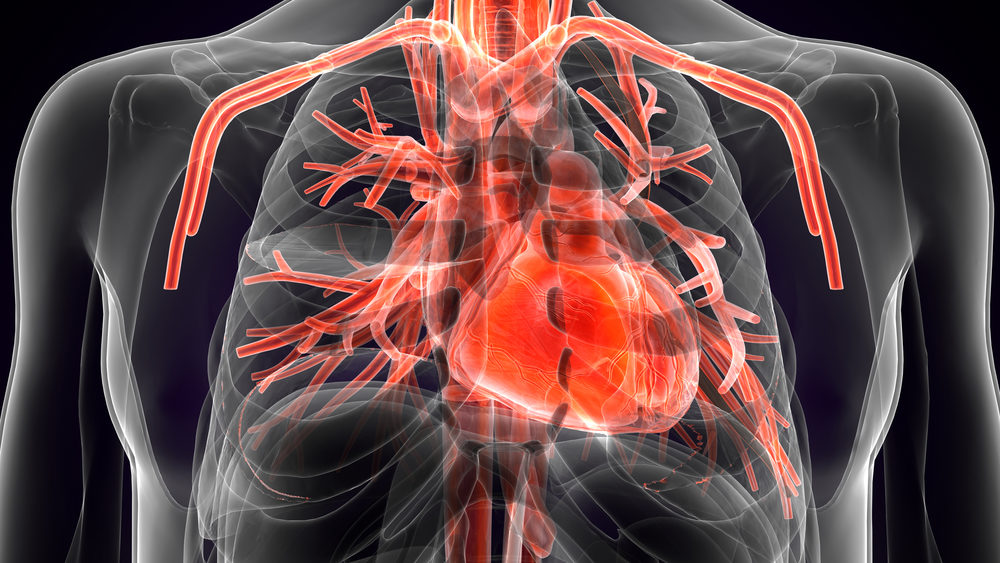
A study has found that survivors of Stevens-Johnson syndrome (SJS) have a higher risk of cardiovascular problems, specifically cerebrovascular accidents and ischemic heart disease, compared to the general population.

Medical negligence may contribute to Stevens-Johnson Syndrome (SJS) or Toxic Epidermal Necrolysis (TEN). Learn how drug errors, misdiagnosis, or lack of warnings could support a legal claim.

Lamictal has been linked to Stevens-Johnson Syndrome (SJS), a life-threatening skin reaction. Learn how improper prescribing or dosing may lead to serious injuries and legal action.
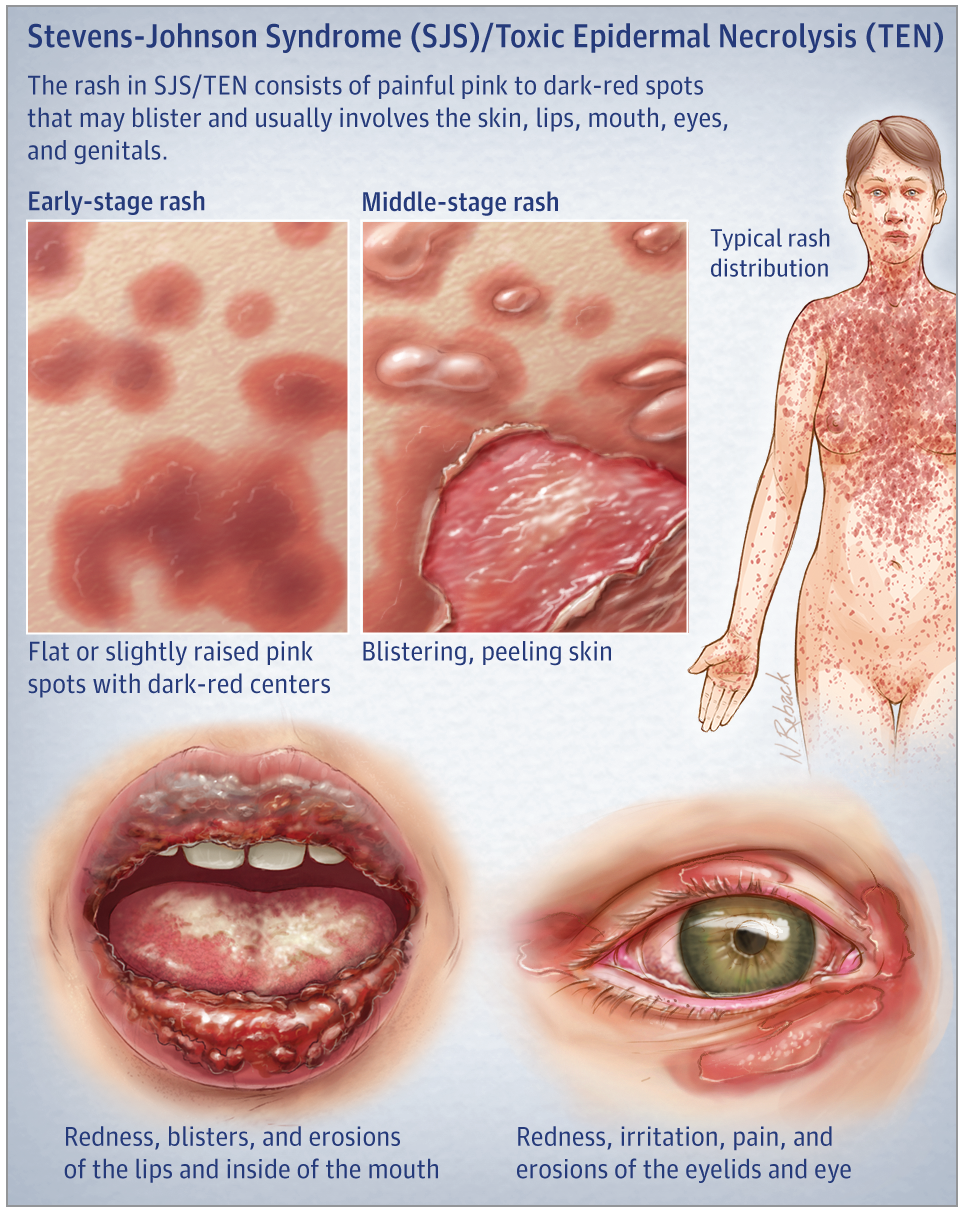
If you've been diagnosed with Stevens-Johnson Syndrome or Toxic Epidermal Necrolysis, it’s critical to act quickly and consult an experienced attorney to protect your legal rights and potential claim.
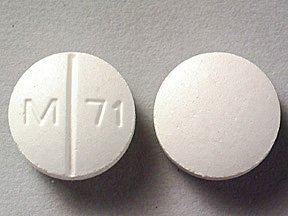
Allopurinol, a common gout medication, has been linked to Stevens-Johnson Syndrome—a rare but serious skin reaction that may require hospitalization and lead to long-term complications.
