
A discovery schedule has been proposed in the Bard IVC filter lawsuits that have been consolidated in multidistrict litigation (MDL) in the District of Arizona. The schedule relates to some of the initial cases filed in the MDL and will potentially allow for the first federal trials to be held sometime early in 2017.
Approximately 100 product liability lawsuits are currently pending in the Bard IVC filter MDL, which was established in August 2015. The MDL was created to reduce duplicative discovery requests, efficiently use both parties’ resources, and avoid conflicting pretrial rulings. Experts say that several thousand complaints may eventually be centralized in the MDL, although many of the early cases had already reached advanced stages of litigation at the time the MDL was established.
What is an IVC Filter?
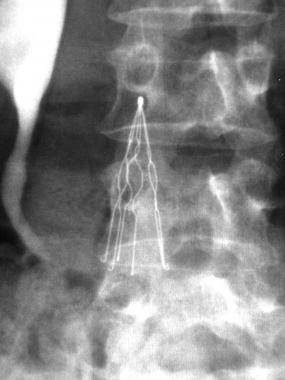
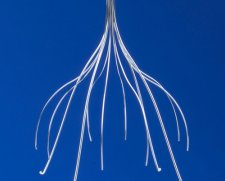
 IVC filters are used to prevent pulmonary embolism (PE), a potentially preventable cause of death in hospitalized and other high-risk patients. The probability of PE increases with the development of deep vein thrombosis (DVT), and treatment for both PE and DVT is anticoagulation, but in instances when blood thinners are not appropriate, an IVC filter is used instead.
On May 6, 2014, the U.S. Food and Drug Administration (FDA) issued a safety communication acknowledging reports of adverse events and issues associated with IVC filters. Complications included:
- Filter fracture
- Device migration
- Perforation of the IVC
- Problems removing the device
- Embolization
The agency advised that some of these concerns could be related the length of time the filter has been in the body. There are currently no guidelines on the time frame during which IVC filters must be retrieved from the body, and according to the FDA, the majority of IVC filters are not retrieved, despite the perceived risk of increased fracture, embolism, and IVC wall penetration.
Other IVC Filter Lawsuits News

An Arizona judge denied class certification for Bard IVC filter lawsuits, citing differences among plaintiffs' devices and claims. These lawsuits allege serious injuries from defective IVC filters and insufficient risk warnings.
A new study suggests IVC filters may increase pulmonary embolism risks in traumatic spine injury patients, raising concerns about their safety compared to other preventive treatments.
Studies reveal that Cook Medical’s Celect IVC filters may puncture the vena cava within two months, leading to serious complications and fueling thousands of lawsuits alleging defective design and failure to warn.

A recent study suggests IVC filters may be overused in managed care, often left in place longer than FDA guidelines recommend, raising concerns about patient safety and medical oversight.

Many IVC filters remain in patients indefinitely despite FDA recommendations for removal, raising concerns about serious complications such as fracture, migration, and vena cava perforation.

A new bellwether schedule has been issued in Bard IVC filter litigation, as thousands of lawsuits move forward alleging serious complications linked to the company’s retrievable devices.

