
 Despite a recommendation by the U.S. Food and Drug Administration (FDA) that retrievable inferior vena cava (IVC) filters be removed when they are no longer needed, they are often left in place indefinitely.
There are currently no guidelines on the time frame during which IVC filters must be retrieved from the body, and according to the U.S. Food and Drug Administration (FDA), the majority of IVC filters are not retrieved, despite the perceived risk of increased fracture, embolism, and IVC wall penetration.
What are IVC Filters?
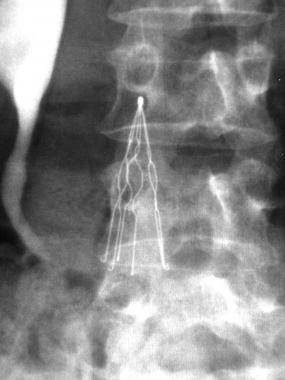
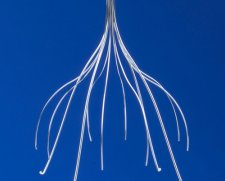
IVC filters are medical devices placed between the proximal vessels of the lower extremities and the right side of the heart, where they help prevent pulmonary embolism by catching blood clots and preventing them from traveling to the lungs.
Over the past 30 years, the use of the IVC filter has steadily increased. While approximately 2,000 filters were implanted in patients in the U.S. in 1979, by 1990, over 120,000 IVC filters had been placed. At the end of the decade, nearly 50,000 IVC filters were being implanted each year.
FDA Adverse Event Reports
Since 2005, the U.S. Food and Drug Administration (FDA) has received more than 900 reports of adverse events connected to IVC filters. According to the FDA, the majority of IVC filters are not retrieved despite the risk of increased fracture, embolism, and IVC wall penetration.
Common complications associated with IVC filters left in the body for long periods of time include:
- The progression of DVT
- Recurrent PE
- Filter migration
- Tilt, break, or embolism
- IVC perforation or occlusion
A 2013 JAMA Internal Medicine report noted that an attempt is made to remove only about 10.5 percent of all IVC filters implanted, and concluded that this low retrieval rate, combined with other factors, resulted in less-than-optimal outcomes due to high rates of venous thromboembolism (VTE).
Other IVC Filter Lawsuits News

An Arizona judge denied class certification for Bard IVC filter lawsuits, citing differences among plaintiffs' devices and claims. These lawsuits allege serious injuries from defective IVC filters and insufficient risk warnings.
A new study suggests IVC filters may increase pulmonary embolism risks in traumatic spine injury patients, raising concerns about their safety compared to other preventive treatments.
Studies reveal that Cook Medical’s Celect IVC filters may puncture the vena cava within two months, leading to serious complications and fueling thousands of lawsuits alleging defective design and failure to warn.

A recent study suggests IVC filters may be overused in managed care, often left in place longer than FDA guidelines recommend, raising concerns about patient safety and medical oversight.

A new bellwether schedule has been issued in Bard IVC filter litigation, as thousands of lawsuits move forward alleging serious complications linked to the company’s retrievable devices.

Eight plaintiffs allege Cordis IVC filters caused serious complications, citing studies linking the devices to high fracture rates and claiming the company downplayed known risks in lawsuits now pending.

