
On July 8th, the Centers for Disease Control and Prevention issued a new warning regarding Stevens Johnson Syndrome. There are two new medications, neptazane and MMRV vaccine, that may cause Stevens Johnson Syndrome.
Neptazane is a medication used to treat a person’s eye for certain things such as high blood pressure. The MMRV vaccine is a shot used to prevent/control the measles, mumps and rubella. The Centers for Disease and Prevention say that one in five children who take the MMRV vaccine experience side effects, including Steven Johnson Syndrome.
Stevens Johnson Syndrom (SJS) is a skin disease that typically occurs from an allergic reaction to medication. There are a variety of symptoms that may occur if you have SJS. Symptoms may include flu-like symptoms and you may then experience a rash. The skin reaction may lead to a more serious condition such as meningitis or sepsis.
If you have taken nepatazane and or had the MMRV vaccine and have experienced an adverse reaction, you should see a doctor as soon as possible. You may also want to contact our Stevens-Johnson Syndrome Lawyers at Childers, Schlueter & Smith, LLC to see how we can help protect your legal rights. We help patients and families all over the country and do so with unparalleled experience and results.
Other Stevens-Johnson Syndrome Lawyers News

Increasing Lamictal too quickly can raise the risk of Stevens-Johnson Syndrome. A published medical case highlights the dangers of rapid dosing and why prescribing errors may be important when evaluating a potential medical malpractice claim.

Identifying the drug responsible for Stevens-Johnson syndrome can be difficult when several medications are involved. Medical records, prescription histories, and the timing of symptoms can play an important role in determining whether someone has a potential SJS lawsuit.

Stevens-Johnson syndrome and toxic epidermal necrolysis are rare but life-threatening reactions often linked to medications. Learn how SJS and TEN differ, common warning signs, long-term complications, and when medical malpractice may be involved.
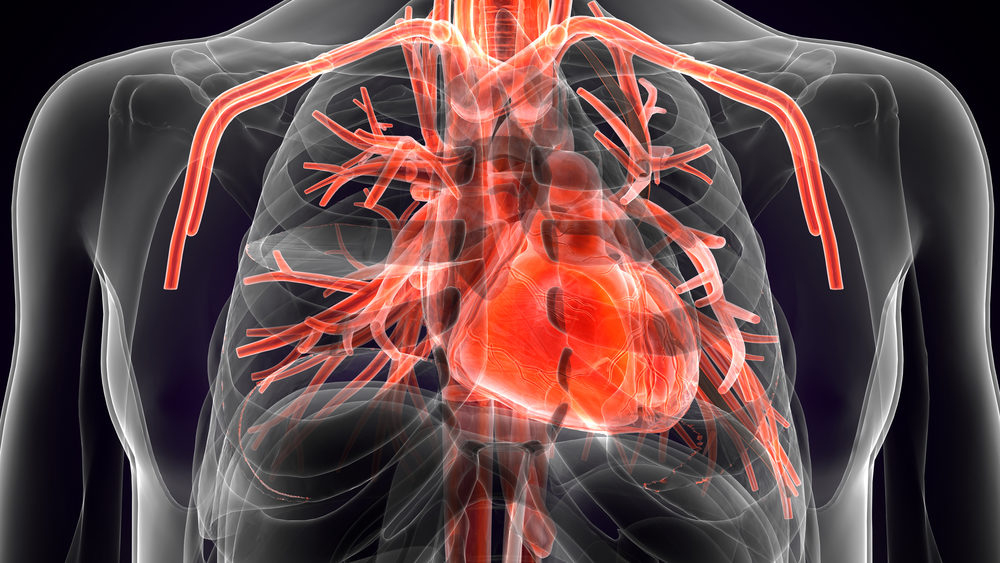
A study has found that survivors of Stevens-Johnson syndrome (SJS) have a higher risk of cardiovascular problems, specifically cerebrovascular accidents and ischemic heart disease, compared to the general population.
Medical negligence may contribute to Stevens-Johnson Syndrome (SJS) or Toxic Epidermal Necrolysis (TEN). Learn how drug errors, misdiagnosis, or lack of warnings could support a legal claim.

Lamictal has been linked to Stevens-Johnson Syndrome (SJS), a life-threatening skin reaction. Learn how improper prescribing or dosing may lead to serious injuries and legal action.
