
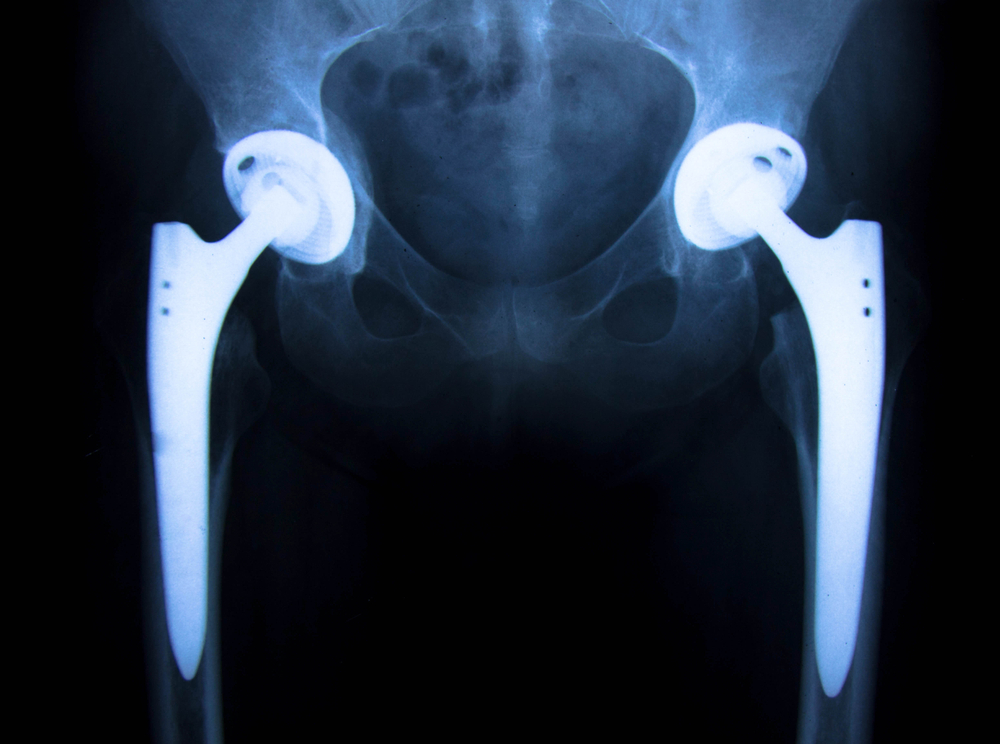
Australia’s Therapeutic Goods Administration, in consultation with Stryker Orthopaedics, recently issued a hazard alert for a specific range of femoral heads used in total hip replacement procedures.
The alert, which concerns LFIT Anatomic CoCr V40 femoral heads manufactured before 2011, contains information for health professionals regarding issues or deficiencies related to these hip implants and advice about the ongoing management of patients. It has been identified that some of these devices have a higher than expected incidence of taper lock failures.
Device Failure Could Result in Severe Consequences
The taper lock is the part of the implant that connects the femoral head to the femoral neck, and failure of the device could result in:
- Loss of mobility
- Pain
- Inflammation
- Adverse local tissue reaction
- Dislocation
- Joint instability
- Broken bones around the components
- Leg length discrepancy
- Need for revision surgery
This issue has been identified in four Stryker products, as well as in three other similar products as an additional precaution, including:
- Item number 6260-9-236
- Item number 6260-9-240
- Item number 6260-9-244
- Item number 6260-9-340
- Item number 6260-9-344
- Item number 6260-9-440
- Item number 6260-9-444
The Australian government advises patients with an affected implant to seek follow up from their implanting orthopaedic surgeon if possible, particularly if they are experiencing unexpected pain, loss of mobility, inflammation, instability, or other issues related to the implant. Stryker Orthopaedic has written to orthopaedic surgeons who have implanted affected LFIT Anatomic CoCr V40 femoral heads to provide further information about this issue.
If you or a loved one received a Stryker hip implant, and have experienced complications or have had to undergo revision surgery as a result, contact the Stryker hip implant lawyers at Childers, Schlueter, & Smith LLC today for a free case evaluation to learn about the legal options you may have.
Other Stryker Hip Implants News
Failed Stryker hip implants have caused metal poisoning, tissue damage, and painful revision surgeries. Learn the top 10 things every patient needs to know—and how to protect your legal rights.
Hundreds of Stryker LFIT V40 hip implant cases have now been consolidated in federal court, with bellwether trials on the horizon. Here’s the latest update on the litigation.

A federal judge has allowed key claims to proceed in a Stryker Gamma3 hip implant lawsuit, including those related to manufacturing defects and breach of warranty.

The New Jersey Supreme Court has approved the consolidation of state court lawsuits involving Stryker’s LFIT Anatomic Cobalt Chromium V40 femoral heads into multicounty litigation.
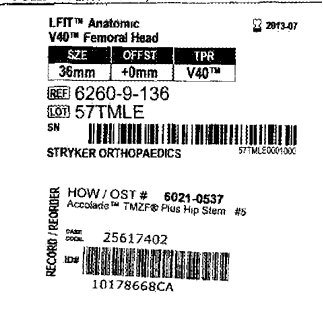
Recent lawsuit filings over Stryker’s Accolade V40 combination hip implants suggest widespread failure risks—yet most patients don’t even know they may be affected.
Although some Stryker LFIT V40 femoral heads were recalled in 2016, emerging cases reveal corrosion and failure risks in other models—especially when paired with the Accolade TMZF stem.

