
Stevens-Johnson Syndrome (SJS) is a disorder that affects the skin, mucous membranes, genitals, and eyes. In some cases, SJS is caused by uncontrollable circumstances or conditions. However, other risk factors are usually adverse reactions to certain medications, and occasionally caused by some type of infection. The medicines that most commonly cause SJS include:
- Allopurinol
- Carbamazepine
- Lamotrigine
- Nevirapine
- Meloxicam
- Piroxicam
- Phenobarbital
- Phenytoin
- Sulfa antibiotics
- Sertraline
- Sulfasalazine
Conditions That Might Lead to SJS
There are certain conditions and circumstances that make some people more at risk for contracting medication-induced SJS. These include:
- Viral infections like herpes, hepatitis, viral pneumonia, or HIV.
- A weakened immune system due to HIV or AIDS, lupus or other autoimmune conditions, and certain treatments like chemotherapy and organ transplants.
- A previous history of Stevens-Johnson syndrome caused by medication makes a person at risk for a reoccurrence should they take the same drug or a drug from the same family of medications again.
- A family history of Stevens-Johnson syndrome, such as a close family member that has had the condition.
- Specific genes. Chinese people with the HLA B1502 gene have been found to be at greater risk for developing SJS after taking carbamazepine.

SJS typically begins with flu-like symptoms, followed by a painful red or purple rash that rapidly spreads and forms blisters. Eventually, the affected skin will die and peel off. SJS is considered a medical emergency that requires hospitalization, often in intensive care or a burn unit.
Stevens-Johnson Syndrome Linked to Allopurinol Use: Common treatment for Gout
How is Stevens-Johnson Syndrome Diagnosed?
SJS is usually diagnosed by a skin specialist, who bases the diagnosis on a physical examination, the patient’s symptoms, and medical history – specifically medications taken recently. To confirm the diagnosis, a small skin sample (biopsy) may be taken and tested in a laboratory. As soon as an SJS diagnosis is made, any medications that may be causing the condition should immediately be stopped.
Contact our attorneys a Childers, Schlueter & Smith for a free consultation at. You might be entitled to bring forth a claim against the manufacturer of the medication you believes has caused you injury. For more in depth information click HERE.
Other Stevens-Johnson Syndrome Lawyers News

Identifying the drug responsible for Stevens-Johnson syndrome can be difficult when several medications are involved. Medical records, prescription histories, and the timing of symptoms can play an important role in determining whether someone has a potential SJS lawsuit.

Stevens-Johnson syndrome and toxic epidermal necrolysis are rare but life-threatening reactions often linked to medications. Learn how SJS and TEN differ, common warning signs, long-term complications, and when medical malpractice may be involved.
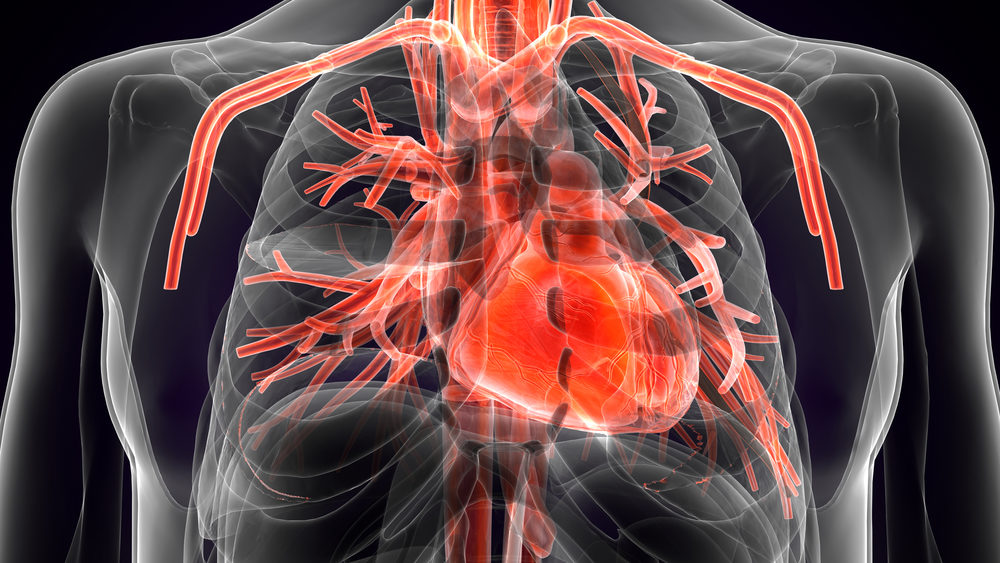
A study has found that survivors of Stevens-Johnson syndrome (SJS) have a higher risk of cardiovascular problems, specifically cerebrovascular accidents and ischemic heart disease, compared to the general population.

Medical negligence may contribute to Stevens-Johnson Syndrome (SJS) or Toxic Epidermal Necrolysis (TEN). Learn how drug errors, misdiagnosis, or lack of warnings could support a legal claim.

Lamictal has been linked to Stevens-Johnson Syndrome (SJS), a life-threatening skin reaction. Learn how improper prescribing or dosing may lead to serious injuries and legal action.
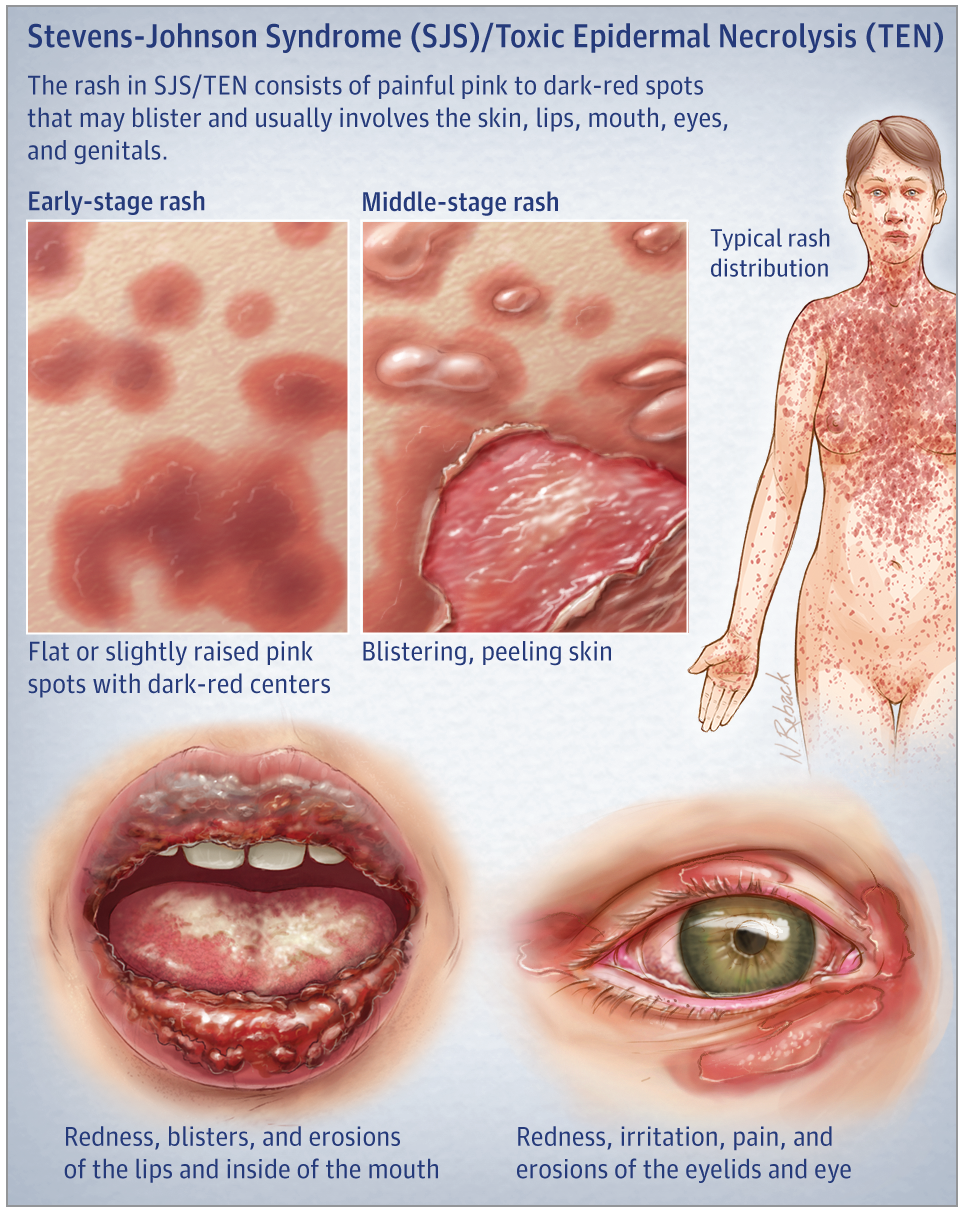
If you've been diagnosed with Stevens-Johnson Syndrome or Toxic Epidermal Necrolysis, it’s critical to act quickly and consult an experienced attorney to protect your legal rights and potential claim.
