
A diagnosis of necrotizing enterocolitis (NEC) can be devastating for families with premature infants. NEC is a serious gastrointestinal disease that primarily affects preterm babies and is one of the leading causes of death in infants born before 37 weeks. While the exact cause of NEC is still unknown, decades of medical research have consistently shown that premature infants fed cow’s milk–based baby formula face a significantly higher risk of developing the condition than those fed human breast milk.
In recent years, this growing body of research has also led to a wave of NEC preterm baby formula lawsuits against manufacturers accused of failing to warn parents and medical providers about these risks. Families across the country are seeking accountability, and in some cases, juries have awarded substantial verdicts in favor of affected children.
Each year, nearly 3.7 million babies are born in the United States. While many are born healthy, more than 10% arrive prematurely. These infants are especially vulnerable to severe medical complications, including NEC, a condition with a mortality rate estimated between 25% and 50%. For families facing this diagnosis, medical decisions must be made quickly, and the emotional and financial toll can be overwhelming.
If your child developed NEC after consuming cow’s milk–based baby formula, you may be wondering whether hiring an NEC baby formula lawyer is necessary. In many cases, legal representation can play a critical role in protecting your family’s future.
The Link Between Cow’s Milk–Based Formula and NEC
The majority of NEC preterm baby formula lawsuits focus on products manufactured by Abbott Laboratories (Similac) and Mead Johnson (Enfamil), which together dominate the U.S. infant formula market.
Parents allege that these manufacturers promoted cow’s milk–based formula as a safe alternative to breast milk for premature infants, despite long-standing research indicating otherwise. Medical literature dating back to the 1990s has identified a strong association between bovine-based formula and increased NEC risk. More recent studies have reaffirmed that preterm infants fed cow’s milk–based formula develop NEC at significantly higher rates than those fed human milk.
Despite this evidence, manufacturers did not provide adequate warnings to parents or healthcare providers about the heightened NEC risk. Many families say they would have made different feeding decisions had they been properly informed.
Why Legal Representation Matters in NEC Baby Formula Cases
NEC baby formula lawsuits are not simple injury claims. They are complex product liability cases that require extensive medical evidence, expert testimony, and a thorough understanding of both state and federal litigation procedures. Establishing liability often involves reviewing neonatal records, analyzing scientific research, and demonstrating that formula manufacturers failed to warn parents and medical providers of known risks.
At the same time, families facing an NEC diagnosis are dealing with overwhelming medical and financial pressures. The cost of caring for a premature infant can be staggering. A single day in the neonatal intensive care unit (NICU) can cost thousands of dollars, and treatment for NEC often involves surgery, prolonged hospitalization, and long-term medical care. Survivors may face lifelong complications such as short bowel syndrome, nutritional deficiencies, infections, and developmental delays.
Because of both the legal complexity of these claims and the long-term consequences for affected children, working with an experienced NEC baby formula lawyer is often essential. An attorney can help families fully understand the scope of their losses and identify all available forms of compensation, which may include:
- Past and future medical expenses
- Costs of long-term care and therapies
- Lost income related to caregiving
- Pain and suffering experienced by the child and family
Without legal guidance, families often underestimate the true long-term financial impact of NEC.
Managing NEC Legal Claims and Negotiations
The legal system can be intimidating, especially for parents focused on their child’s health. An experienced NEC baby formula attorney can handle every aspect of the case, from reviewing medical records and consulting experts to negotiating with manufacturers and preparing for trial if necessary.
Attorneys also evaluate whether a case is best suited for state court or inclusion in the MDL, a decision that can significantly affect the outcome of a claim.
As of January 2026, the NEC baby formula MDL includes 769 pending cases, with additional lawsuits continuing to be filed in both federal and state courts. In 2024, juries in state court cases returned verdicts of $60 million and $495 million in favor of families whose preterm infants developed NEC after being fed cow’s milk–based formula. While outcomes vary and results are never guaranteed, these verdicts underscore the seriousness of the allegations and the potential value of experienced legal advocacy.
Related: Parents Get Another Shot at Justice in NEC Preterm Infant Formula Case
If your infant was diagnosed with NEC after being fed cow’s milk–based baby formula, you may have legal options. At Childers, Schlueter & Smith (CSS), our defective product attorneys represent families nationwide in NEC cases. We are committed to holding manufacturers accountable and helping families pursue compensation for the harm they’ve endured. To learn more, contact us online, use our live chat, or call 1-800-641-0098 for a free, no-obligation case review.
Other NEC Baby Formula News
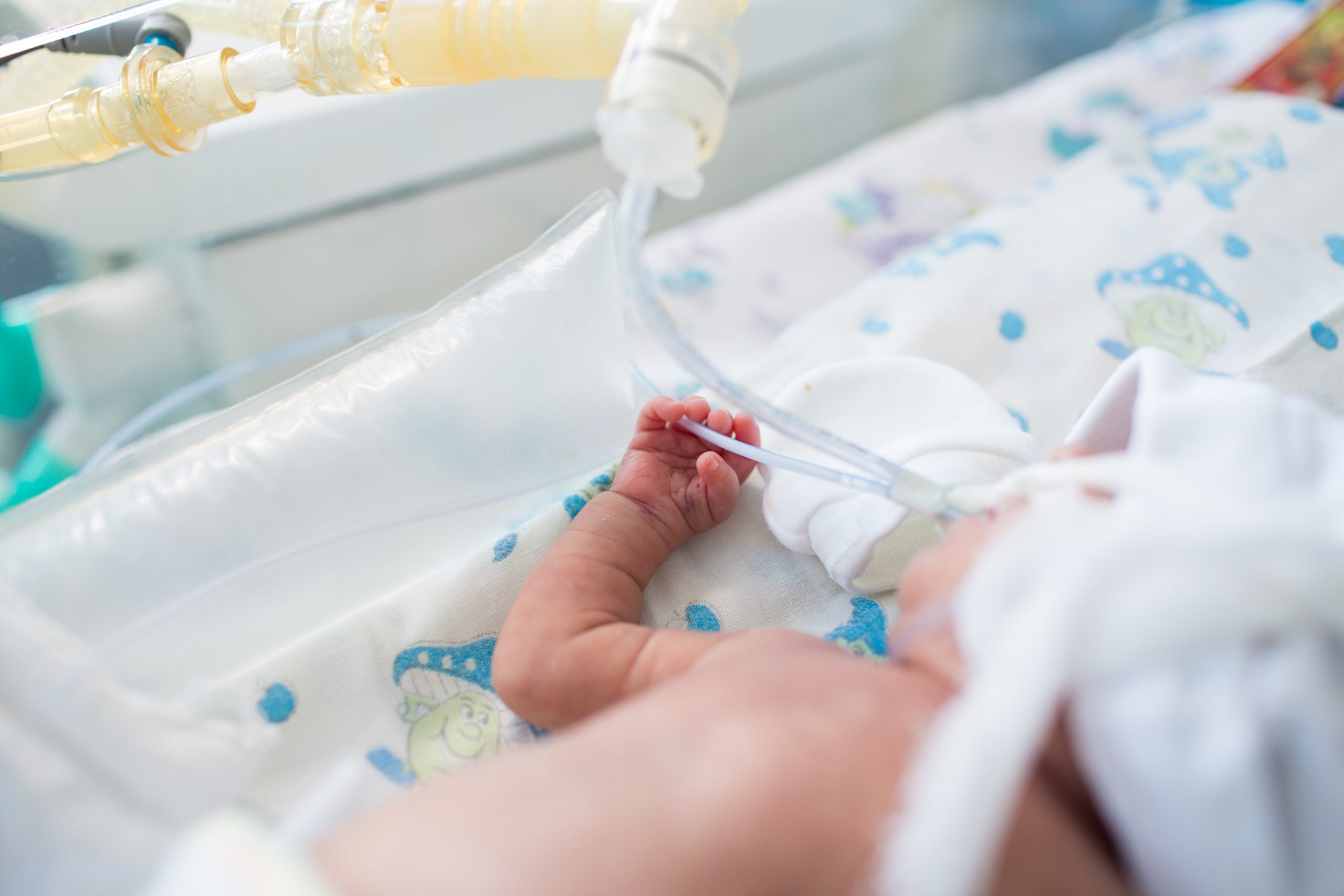
NEC preterm infant formula lawsuits continue to grow nationwide after an Illinois jury awarded $70 million to families of premature infants diagnosed with necrotizing enterocolitis after being fed formula in the NICU.

The fight for justice isn’t over—parents now get a second chance after a rare defense victory was overturned for attorney misconduct.

MDL 3026 marks a critical step toward justice for families affected by NEC-linked infant formulas. Firm Partner C. Andrew Childers advocated for swift, centralized handling of these cases.

Enfamil and Similac manufacturers face lawsuits for allegedly failing to warn parents that their premature baby formulas could increase the risk of NEC, a life-threatening condition in preemies.
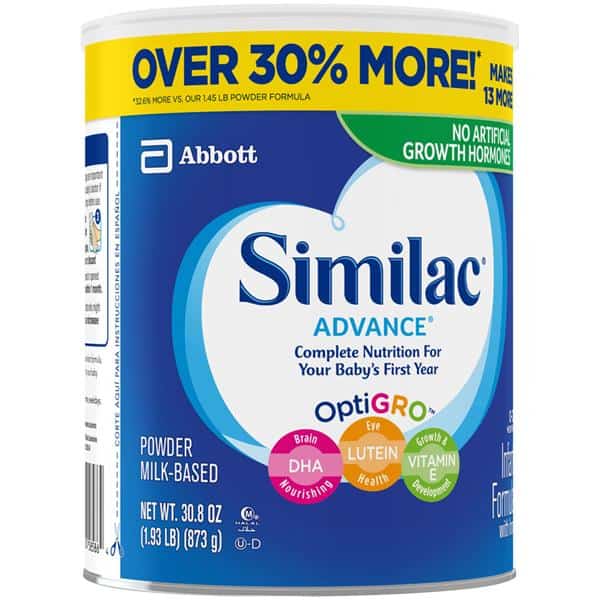
A new study shows NEC risk in premature infants drops significantly when donor breast milk is used instead of cow's milk-based formula. If your child was harmed by a preterm infant formula, legal options may be available to you.

Studies link cow’s-milk based baby formula to a dramatically increased risk of NEC, yet many formula manufacturers have not disclosed these risks to parents of preterm babies.
