
A new study published in Pediatrics has linked antipsychotic drugs such as Seroquel, Abilify, Risperdal and Zyprexa to a dramatic increase in the risk of diabetes in children. Researchers found that giving a child under the age of 18 these type of antipsychotic drugs appears to nearly quadruple their risk of developing diabetes.

The researchers looked at data from a large sample of children between the ages of five and 18, finding that after just an average of 4.5 months on antidepressants, 3.23 out of every 1,000 children given the drugs were diagnosed with diabetes. This number is 4 times higher than the children who were not given antipsychotic drugs. Research has shown that antipsychotics can cause weight gain, which can lead to diabetes. Weight gain in itself should not be taken lightly; the Centers for Disease Control and Prevention (CDC) report that obesity in children and teens has tripled since the 1980s. Antipsychotic drugs may have contributed to this increase.
FDA Panel Urges Side Effect Monitoring
This September, the pediatric advisory panel listened to preliminary results of a study sponsored in part by the FDA that compared whether antipsychotic drugs put children at a greater risk of developing diabetes than others. Not unlike the recommendations the panel has made in previous years, it voted 16-1 to support the FDA’s routine safety monitoring of the newer antipsychotics.
The new, second generation of antipsychotics are being more frequently prescribed to children for a wide variety of psychological disorders, such schizophrenia, autism, ADHD or bipolar disorder, even though many of the drugs have not been approved for this usage. FDA research has found that antipsychotic usage in children increased by 65 percent between 2002 and 2009, mainly in the teenage population. Between 2009 and spring of 2011, 1.9 million prescriptions of Abilify alone were prescribed to patients under 18, including over 800 prescriptions for toddlers as young as two.
Large numbers of American children are being prescribed antipsychotics to reduce aggression, attention deficit disorder and other disorders, though there is little conclusive data to show if they are damaging children’s health.
Contact Us
If you or a loved has experienced side-effects or an adverse reaction from a dangerous drug , you have a right to be compensated. Contact our experienced personal injury attorneys for a free evaluation of your case. We believe in finding justice for those injured by this dangerous drug.
Other Dangerous Drugs News

Research suggests Dupixent (dupilumab) may be linked to an increased risk of cutaneous T-cell lymphoma (CTCL). Learn what studies show, how CTCL may be misdiagnosed as eczema, and the legal options for patients diagnosed with lymphoma after taking Dupixent.

Childers, Schlueter & Smith has filed the first Dupixent lawsuit in Georgia, alleging a link between the eczema drug and cutaneous T-cell lymphoma (CTCL). The complaint highlights questions about risk disclosure.

A recent FDA-approved label change now warns of brain meningioma risks linked to Depo-Provera. This update explains what changed, why lawsuits are being filed, and what the warning may mean for women diagnosed with brain tumors.
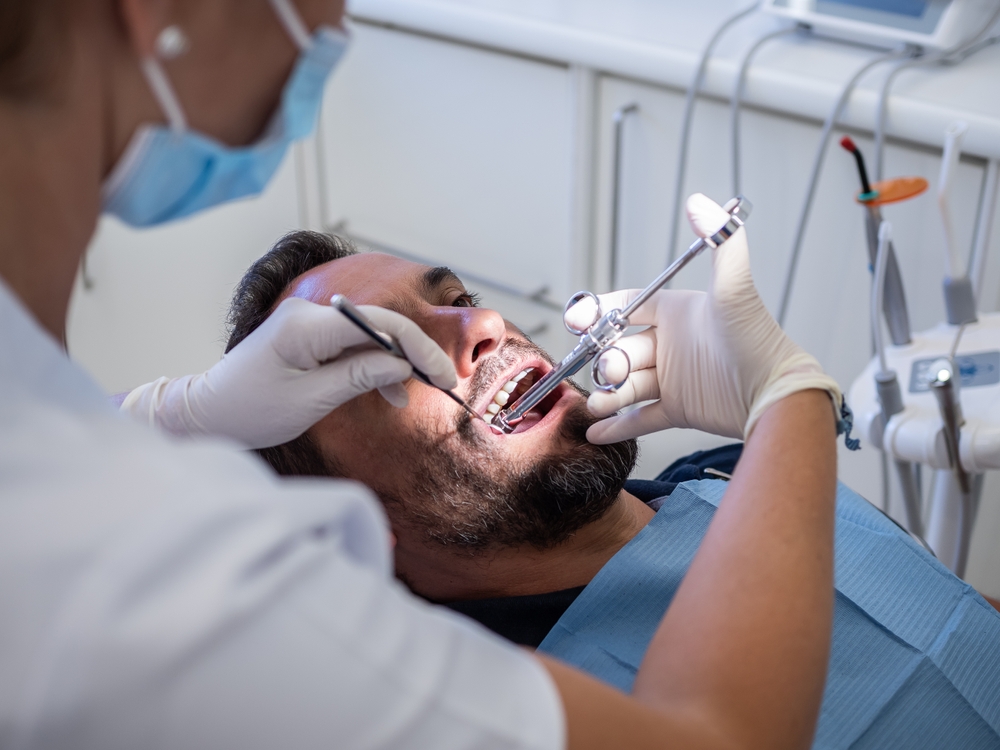
While Suboxone helps fight opioid addiction, it’s now at the center of a growing legal battle over severe, preventable dental harm not disclosed to patients for years.

Women across the U.S. are filing lawsuits against Pfizer after a major study linked long-term use of Depo-Provera to a fivefold increase in the risk of developing brain tumors known as meningiomas.
Women diagnosed with meningiomas after using Depo-Provera may be eligible for financial compensation, as lawsuits claim Pfizer failed to warn about the potential risk of brain tumors.
