
Although vaginal mesh devices like Avaulta were intended to help women with weakened vaginal muscles suffering from conditions like stress urinary incontinence (SUI) and pelvic organ prolapse (POP), thousands have sustained permanent injuries due to the surgical implant of such devices. Over $20 million has already been awarded to women injured by vaginal mesh implants, and Avaulta manufacturer C.R. Bard faces thousands of lawsuits over complications allegedly caused by the devices.
What is Avaulta?
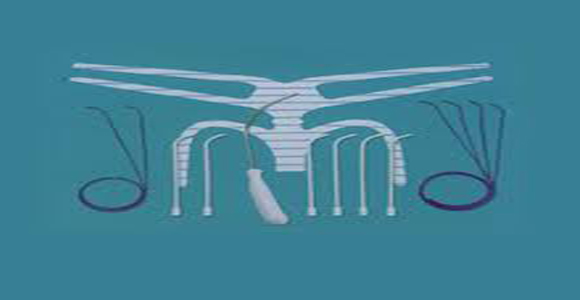
Avaulta is a synthetic or biosynthetic vaginal mesh device, including the Avaulta Biosynthetic and Avaulta Plus Biosynthetic Support Systems that are intended to help hold pelvic organs in place. Avaulta’s design was based upon a type of surgical mesh that has been used to strengthen the abdominal muscles of patients who suffer from hernias. Vaginal mesh devices like Avaulta are surgically inserted by implanting the device through an incision in the vaginal wall.
Complications
During insertion, complications including bowel, bladder, and blood vessel perforation may occur, along with discomfort and pain due to vaginal scarring. Unfortunately, because of questionable design, incompatibility with the pelvic region of a woman’s body, and the potential for surgical mesh erosion, Avaulta devices have caused patients to experience serious injuries, including:
- Erosion
- Significant Pain During Intercourse
- Organ perforation
- Internal bleeding
- Infection
- Nerve damage
- Chronic pelvic pain
Many women have undergone multiple surgeries to remove vaginal mesh devices from their bodies (also known as “revision procedures”), only to discover that the device cannot be completely removed. Further surgical complications have worsened the original incontinence or organ prolapse present before the initial procedure. Although there have been proposals to ban the use of pelvic mesh due to these and other post-operative complications, to date, no pelvic mesh ban is in effect.
FDA Warnings
The U.S. Food and Drug Administration issued a health alert in 2008 stating that in the last three years, it had received more than 1,000 reports from nine surgical mesh manufacturers regarding complications associated with surgical mesh devices used to repair SUI and POP, among them Avaulta surgical mesh products. But that same notice indicated these injuries were “rare” and not common in most patients.
In 2011, the FDA issued an update regarding additional data it has received linking pelvic and transvaginal mesh implants to serious complications, and questioning the effectiveness of transvaginal mesh in treating POP. The FDA advises that patients and healthcare providers consider non-mesh options and only consider pelvic or transvaginal mesh after a careful consideration of the risks versus the benefits.
Other Transvaginal Mesh News

A Pennsylvania judge has allowed additional depositions in a transvaginal mesh mass tort, addressing a Supreme Court ruling that may limit where plaintiffs can file pelvic mesh injury lawsuits.
A Philadelphia jury awarded $57.1 million to a woman harmed by Ethicon’s transvaginal mesh, highlighting serious complications and allegations of Johnson & Johnson’s failure to warn about risks.
Endo International will stop producing AMS transvaginal mesh, responding to mounting legal claims and FDA safety requirements. Thousands of women have filed lawsuits over serious complications from these implants.

Thousands of women have filed lawsuits alleging Ethicon’s pelvic mesh caused severe injuries. A consolidated trial will address claims of defective design, negligence, and failure to warn about TVT implant risks.
A consolidated trial for 26 Johnson & Johnson Ethicon TVT pelvic mesh cases is set for November 2, 2015, addressing serious injuries allegedly caused by transvaginal mesh implants for stress urinary incontinence.


