
A type of asthma called Reactive Airways Dysfunction Syndrome (RADS) is caused by an over-exposure to respiratory irritants. RADS is also known as irritant-induced asthma. This syndrome is characterized by signs and symptoms of asthma—wheezing, chest tightness, breathlessness, and a cough.
RADS originated from the development of respiratory symptoms in the hours or minutes after an accidental inhalation of high concentrations of irritant gas, aerosol, or particles, according to UpToDate. However, observations have shown that RADS can now occur after a single exposure to a variety of chemicals.
Patients who have RADS typically will seek medical attention right after the initiating exposure. There are many chemicals which release fumes classified as chemical irritants. Chemicals such as gas, aerosol, or other particles are linked to causing RADS.
According to Health, Environment and Work (HEW), symptoms of RADS can be a bit different than asthma. With RADS, the airways irritability persists for a variable period after the exposure. The airways below the throat and lungs (the lower respiratory tract) are where the injury is caused. The injury is caused to the lower respiratory tract (the airways below the throat and lungs). If the syndrome is permanent, patients can suffer asthma attacks in lower levels of respiratory irritants—lower levels usually do not affect the general population.
RADS has also been associated with exposure to zinc and aluminum refining. The main medication prescribed for those patients who have RADS is steroids and bronchodialators. When patients diagnosed with RADS try to avoid irritating triggers, it can really complicate their ability to go out into public or do things in the normal course of work. As such, RADS is now being recognized as a contributor of work related ill health.
Reactive Upper Airway Dysfunction Syndrome (RUDS), also called chronic rhinitis, is a syndrome with symptoms of fatigue, nasal stuffiness, and insomnia. RAD patients can sometimes get RUDS. Patients with RUDS also have complications with going out into the public or the ability to work.
If you or someone you know has developed either of these conditions and you have questions, please feel free to contact our firm to have your questions answered.
Other Environmental & Toxic Torts News

Toxic torts arise when individuals are harmed by exposure to dangerous chemicals or substances—whether at work, at home, or through environmental pollution. Victims may be entitled to compensation for their suffering.

Childers, Schlueter & Smith partnered with Living Safer Magazine to publish a special issue focused on Camp Lejeune water contamination lawsuits. This edition outlines who qualifies to file a claim, what illnesses are linked to exposure, and how recent legislation—like the PACT Act—made these cases possible.

Researchers examining data from individuals with the highest exposure to glyphosate—the active ingredient in Roundup—found a “compelling link” between that exposure and an increased risk of developing non-Hodgkin lymphoma.

A California jury awarded a couple $2 billion in punitive damages—along with $55 million for pain, suffering, and medical costs—after finding that their prolonged exposure to the weed killer Roundup caused them to develop non-Hodgkin lymphoma.
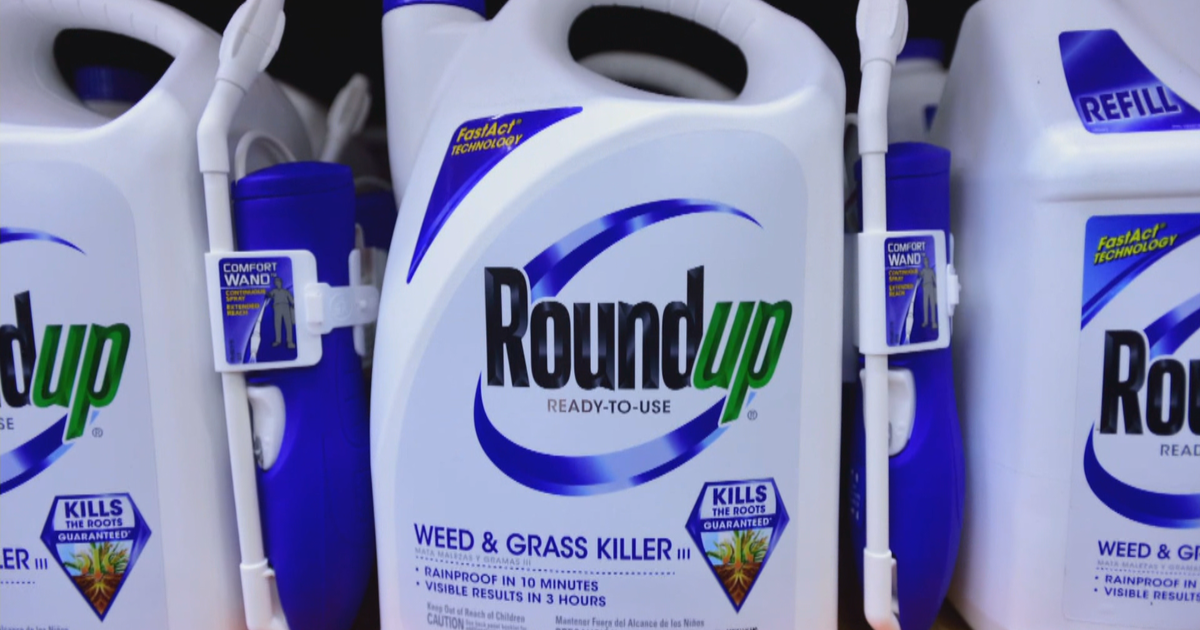
Exposure to Roundup, the widely used herbicide manufactured by Monsanto, has been linked to hundreds of lawsuits alleging it causes non-Hodgkin lymphoma.

Syngenta faces the first of thousands of lawsuits, with Kansas farmers alleging the company’s premature release of GMO corn caused billions in losses.
