
On January 9, 2009, the Minnesota Department of Health issued a product advisory after preliminary laboratory testing indicated the presence of Salmonella bacteria in a 5-pound container of King Nut brand creamy peanut butter. The bacteria found in the peanut butter was identical to the strain of Salmonella bacteria implicated in the national outbreak that has sickened almost 400 people in 42 states. The contaminated peanut butter was made by Peanut Corporation of America, a Georgia corporation with plants in Georgia, Virginia, and Texas. King Nut issued a recall of all peanut butter distributed under the “King Nut” label on January 10, 2009.
Are you one of the almost 400 people diagnosed with Salmonella Typhimurium since September of 2008? Have you contracted Salmonella after eating King Nut peanut butter? If so you might be entitled to compensation for your injuries and for your suffering. Call us immediately or click here to ensure your rights are protected.
Other Defective Products News

People diagnosed with silicosis after working with quartz or engineered stone countertops may have legal claims against manufacturers. Find out who may qualify for a lawsuit, how attorneys investigate these cases, and what compensation may be available.

Age, mental health injuries, and social media usage history can all play a role in determining eligibility for a social media addiction lawsuit. Childers, Schlueter & Smith examines these factors when evaluating potential claims.

Cutting and polishing quartz and other engineered stone countertops can expose workers to dangerous silica dust. Recent medical research explains why some develop aggressive silicosis, how exposure occurs, and the potential legal options for those diagnosed.

The FDA has again delayed its proposed ban on formaldehyde in hair relaxers as cancer research and federal lawsuits continue. Learn what this means for consumers and your legal options.
If you develop cancer or a condition associated with chemical straighteners, it’s important to know your legal options and how to proceed.
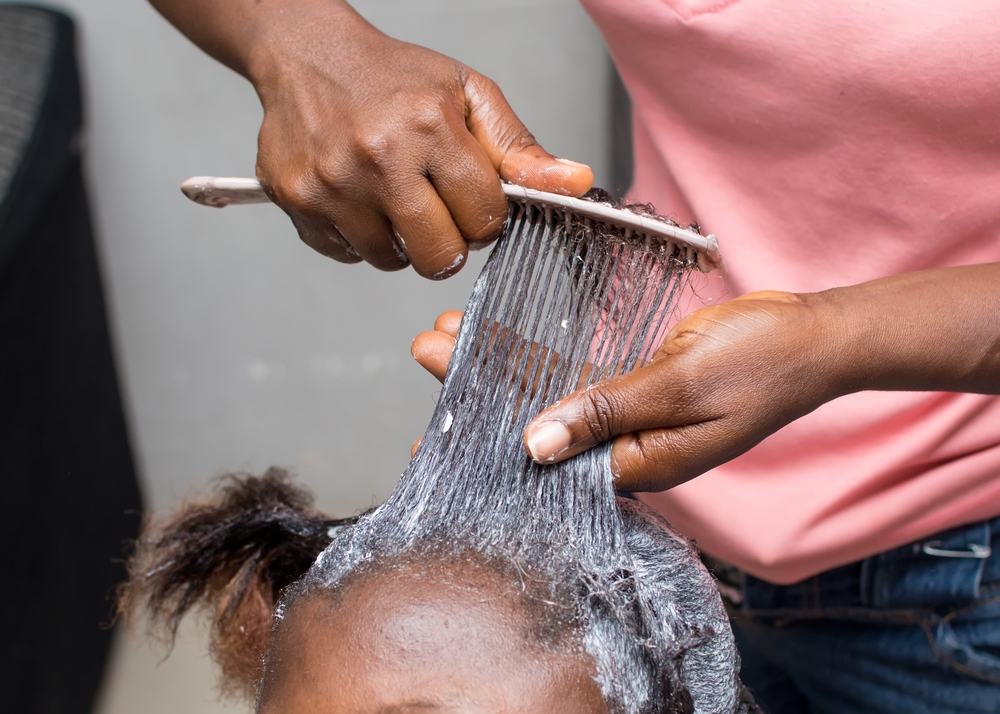
There is substantial evidence that hair relaxers increase the likelihood of certain cancers. In addition to uterine cancer, there are also links between hair relaxer products and ovarian cancer.
