
At Childers, Schlueter & Smith (CSS), we closely monitor federal safety regulations that affect the health and well-being of consumers nationwide. One issue we have been tracking is the U.S. Food and Drug Administration’s proposed ban on formaldehyde and formaldehyde-releasing chemicals in hair straightening and relaxer products.
That proposed ban has now been delayed again.
Originally expected in 2024, the FDA’s decision on whether to prohibit formaldehyde in chemical hair straighteners was repeatedly delayed. As of early 2026, the rule remains stalled following a presidential executive order pausing certain pending federal regulations for administrative review.
For those affected by cancer linked to hair relaxers, the continued FDA delays make them question if regulators don’t act, who will hold manufacturers accountable?
Why Formaldehyde in Hair Products Is a Serious Concern
Formaldehyde is classified as a known human carcinogen by the National Cancer Institute. When certain hair relaxers and straightening products are heated, they can release toxic fumes. Exposure has been associated with respiratory irritation, headaches, dizziness, nausea, and other symptoms. Beyond these immediate effects, growing scientific research has examined whether repeated exposure to chemical hair straighteners may also contribute to long-term cancer risks.
In October 2022, a National Institutes of Health (NIH) supported study found that women who frequently used chemical hair straighteners faced more than double the risk of developing uterine cancer compared to women who did not use those products. Researchers also noted that Black women may face disproportionate exposure due to longstanding social and workplace pressures surrounding hair texture.
Gaps in Federal Cosmetic Oversight
Unlike prescription medications, cosmetics are not approved by the FDA before they are sold to the public. Manufacturers are largely responsible for determining product safety before marketing their products.
While the FDA has regulatory authority under federal law, historically, only a small number of cosmetic ingredients have been formally banned in the United States, far fewer than in other countries.
The repeated postponement of the formaldehyde rule has intensified debate about whether current cosmetic safety laws adequately protect consumers.
At the same time, members of Congress have reintroduced the Safer Beauty Bill Package, a group of proposed federal bills designed to modernize cosmetic safety standards. If enacted, the legislation would prohibit certain toxic chemicals linked to cancer and endocrine disruption, require full ingredient disclosure (including fragrance components), strengthen protections for women of color and salon professionals, and establish baseline safety testing requirements before cosmetic products reach consumers.
While the legislation remains pending, the renewed debate underscores growing public concern about chemical exposure in everyday beauty products.
Hair Relaxer Cancer Litigation Moves Forward
As federal regulators continue to review potential cosmetic reforms, litigation over hair relaxer-related injuries continues in court.
Following the NIH study, hair relaxer lawsuits were filed nationwide on behalf of women diagnosed with uterine, endometrial, and ovarian cancers after years of using chemical hair straighteners. Due to the large number of cases, the U.S. Judicial Panel on Multidistrict Litigation centralized the federal claims into MDL No. 3060 in the Northern District of Illinois. There are also numerous cases filed in the state courts of Georgia, Illinois, Pennsylvania, and New York.
The multidistrict litigation and state court actions now include thousands of active cases. The Courts are overseeing coordinated discovery, expert testimony, and pretrial proceedings. While no final liability determinations have been made, the litigations continue independently of any FDA rulemaking.
In other words, even though federal regulatory action remains uncertain, the legal process is moving forward.
Why This Matters for Consumers Using Hair Relaxers
For many women, chemical hair relaxers were marketed as safe, routine beauty products used for years without warning of serious health risks. Now, as research and court proceedings continue to unfold, they are left navigating complex medical diagnoses and difficult financial realities.
A diagnosis of uterine cancer can be emotionally devastating and financially disruptive. When that diagnosis may be linked to long-term use of a consumer product, women can take steps after hair relaxer injuries to understand their rights.
At Childers, Schlueter & Smith, we represent individuals nationwide who believe prolonged use of chemical hair straighteners contributed to serious health conditions (specifically uterine and certain forms of ovarian cancer). If you or a loved one has been diagnosed with uterine or ovarian cancer after using hair relaxer products, we encourage you to learn more about your legal options. You can contact us online or call (800) 641-0098 for a free, confidential case review.
We are here to help you pursue answers and accountability.
Other Hair Relaxer News

If you develop cancer or a condition associated with chemical straighteners, it’s important to know your legal options and how to proceed.
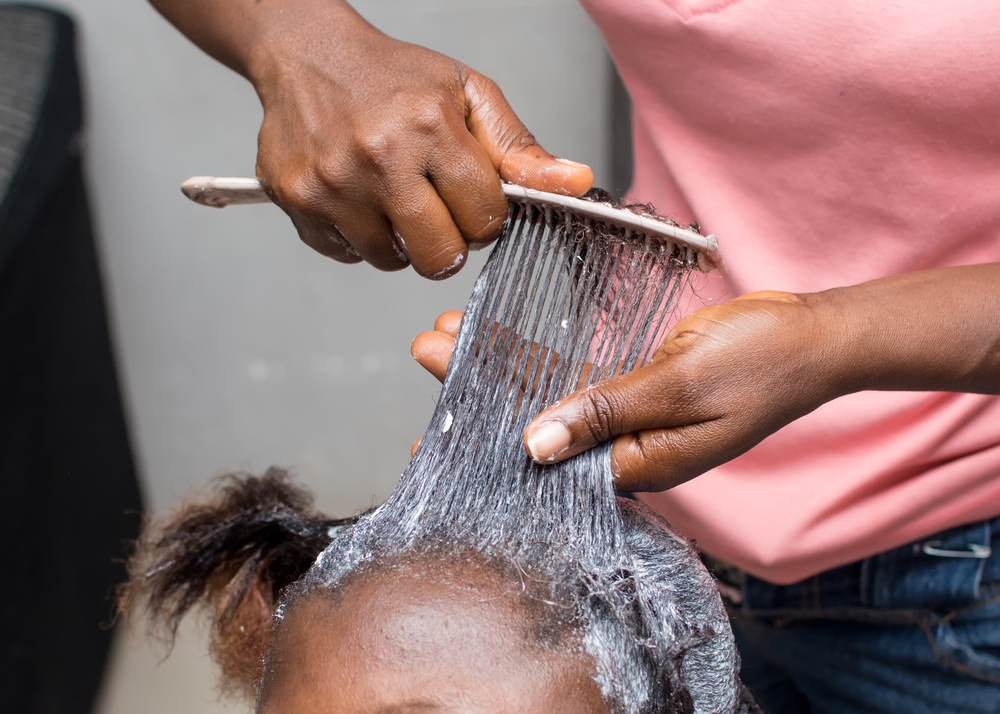
There is substantial evidence that hair relaxers increase the likelihood of certain cancers. In addition to uterine cancer, there are also links between hair relaxer products and ovarian cancer.

If you have been diagnosed with cancer after regularly using hair relaxer products, you could have a claim for compensation against the manufacturer even if you have underlying health conditions.
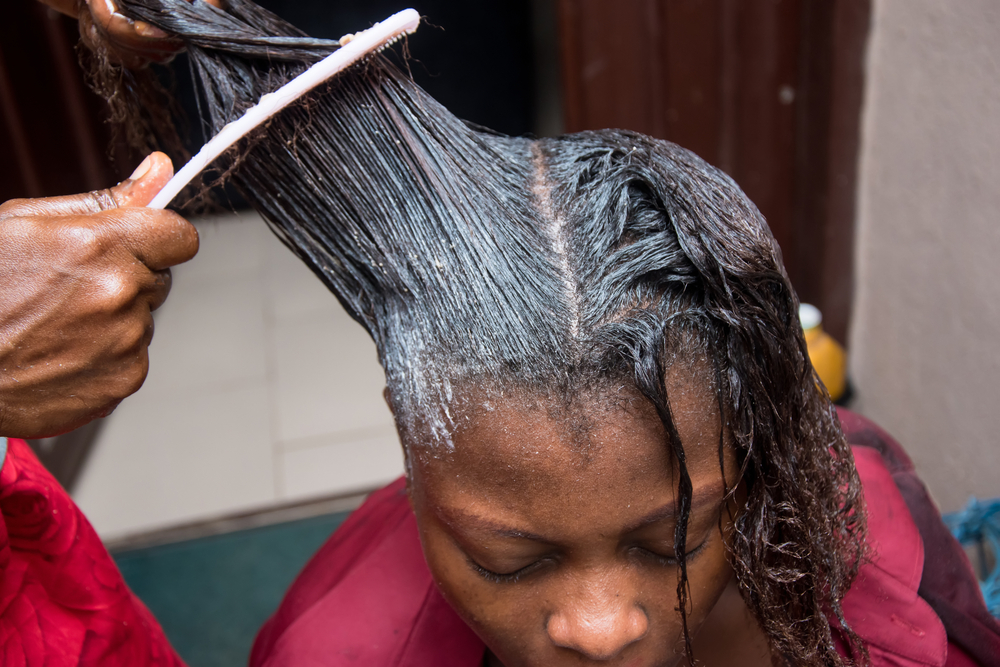
Proving legal damages after using hair relaxers can be challenging, but an experienced dangerous and defective product attorney can evaluate your claim to determine if you meet certain criteria to prove damages and recover compensation.
