
The parties in the Bair Hugger lawsuits have each identified 16 bellwether cases from the 150 randomly selected by the U.S. District Court for the District of Minnesota court in January.
The lawsuits, consolidated in multidistrict litigation (MDL) in 2015, are related to 3M Company’s Bair Hugger Forced-Air Warming system and plaintiffs’ allegations that it caused severe infections after orthopedic surgical by spreading bacteria from the hospital floor or the inside of the device and contaminated the surgical site, causing them to develop severe and sometimes drug-resistant infections in certain circumstances. Some of these infections have been life threatening and have necessitated amputation in certain circumstances.
What are Bellwether Cases?
Bellwether cases are typically chosen based their ability to represent, at trial, the issues that will likely arise in all the cases centralized in the litigation. The intent of the bellwether process is to avoid duplicative discovery, give the parties a good indication of what might happen in future trials, and help advance the litigation in a timely manner.
The Pros and Cons of Forced-Air Warming Blankets
The 3M Bair Hugger warming blanket was intended to prevent and treat unintended hypothermia in patients by blowing hot hair into a specially designed blanket covering the patient to help maintain normal body temperature, reduce bleeding, and decrease recovery time.
However, patients who underwent hip or knee replacement surgery and were left with serious deep joint infections have brought lawsuits against 3M. According to court documents, these infections have at times necessitated:
- Repeated hospitalizations
- Additional surgeries
- Insertion of antibiotic spacers in the affected joint
- IV antibiotic therapy
- Physical therapy
- Removal or revision of the implant device
- Lengthy and painful recoveries
- Amputation of the affected limb, in some circumstances
The lawsuits also claim that 3M has known about the risk of surgical site infection for several years, but has not issued warnings or taken any other steps to redesign the device; instead, plaintiffs say, the company has taken steps to conceal and discredit scientific studies which threatened to undermine sales of the Bair Hugger system.
Other Defective Products News
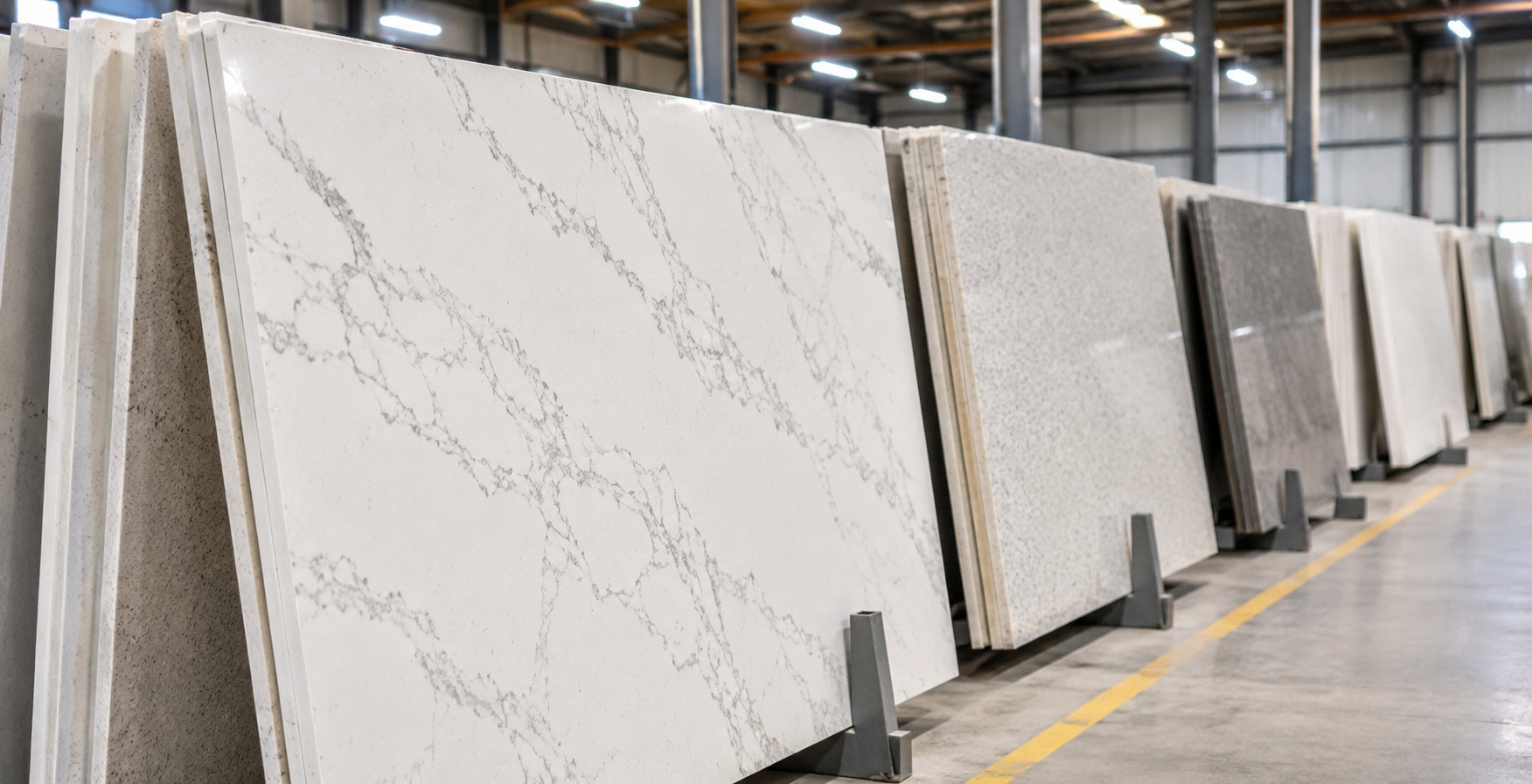
People diagnosed with silicosis after working with quartz or engineered stone countertops may have legal claims against manufacturers. Find out who may qualify for a lawsuit, how attorneys investigate these cases, and what compensation may be available.

Age, mental health injuries, and social media usage history can all play a role in determining eligibility for a social media addiction lawsuit. Childers, Schlueter & Smith examines these factors when evaluating potential claims.

Cutting and polishing quartz and other engineered stone countertops can expose workers to dangerous silica dust. Recent medical research explains why some develop aggressive silicosis, how exposure occurs, and the potential legal options for those diagnosed.

The FDA has again delayed its proposed ban on formaldehyde in hair relaxers as cancer research and federal lawsuits continue. Learn what this means for consumers and your legal options.

If you develop cancer or a condition associated with chemical straighteners, it’s important to know your legal options and how to proceed.

There is substantial evidence that hair relaxers increase the likelihood of certain cancers. In addition to uterine cancer, there are also links between hair relaxer products and ovarian cancer.
